

As healthcare continues to evolve, understanding the distinctions between a drugstore and a pharmacy becomes essential for consumers navigating their medical needs. Although the two terms are often used interchangeably, they cater to different aspects of the healthcare landscape. Drugstores typically emphasize retail goods alongside pharmaceutical offerings, while pharmacies focus primarily on medication management and patient care. This article delves into the nuanced differences and highlights how each serves its distinct purpose, particularly in the realm of complex prescriptions and specialized medications.
Understanding the Role of a Pharmacy in Healthcare Services
A pharmacy — also commonly known as a drugstore — primarily operates as a healthcare establishment dedicated to ensuring the safe handling and dispensing of medications. Pharmacists—who usually hold a Doctor of Pharmacy (Pharm.D.) degree—play a crucial role in this regard. These healthcare professionals are not only responsible for filling prescriptions but also for offering personalized consultations to patients. Their expertise creates a comprehensive environment for medication management.
In many instances, pharmacists manage complex prescriptions that require thorough understanding and monitoring. For example, patients with chronic illnesses might need medications that interact with others they are taking. Here, pharmacy professionals provide valuable advice, ensuring medications are taken safely while preventing potential side effects. This level of diligence emphasizes the pharmacy’s commitment to patient care, making it an integral part of the healthcare system.
Another significant service provided by pharmacies is medication compounding, which involves preparing personalized medications tailored to individual patient needs. This service is especially beneficial for those who might require specific dosages or forms of medication that are not commercially available. Thus, it becomes evident that the role of a pharmacy extends beyond mere prescriptions; it encompasses comprehensive healthcare services aimed at improving patient outcomes.
Complex Prescription Handling in Pharmacies
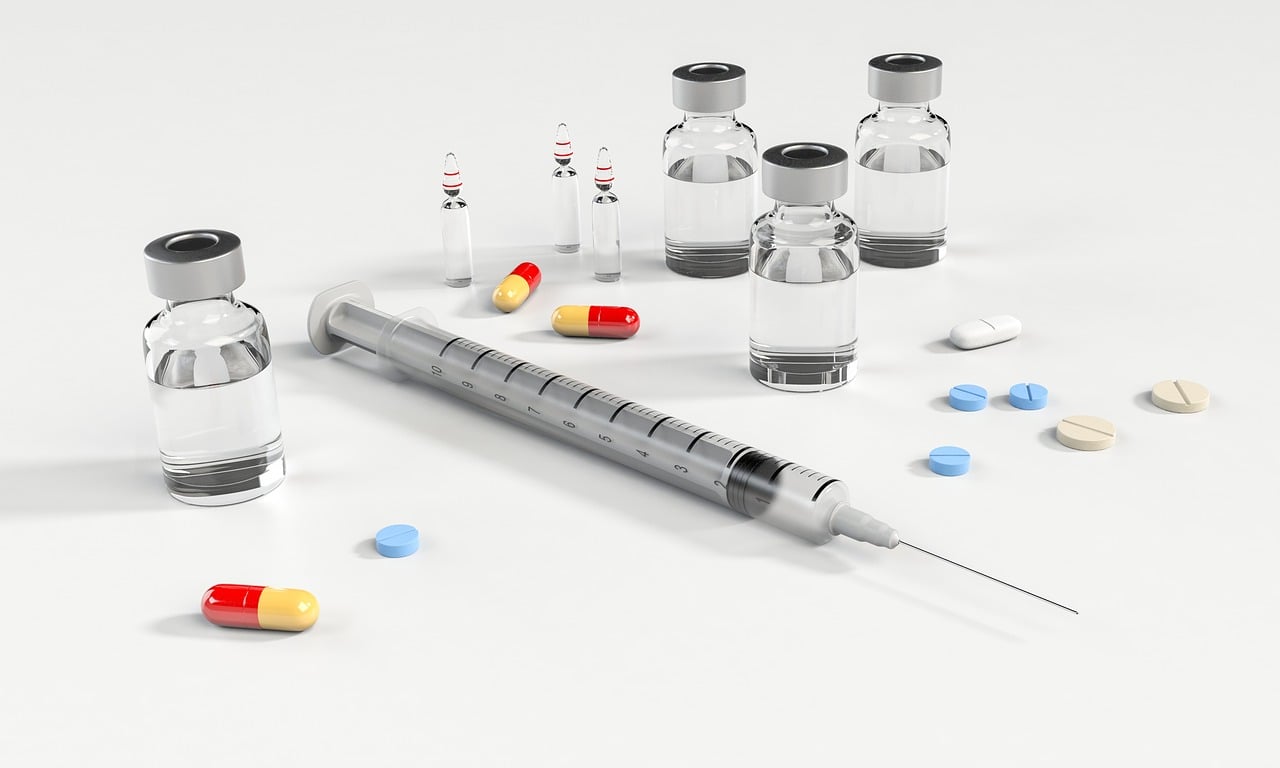
Complex prescriptions, often associated with multi-drug regimens for conditions like cancer or cardiovascular diseases, require a deeper level of oversight. In these cases, pharmacists routinely engage in medication reconciliation. This process entails reviewing all medications a patient is taking to identify potential interactions or duplications. Through this careful scrutiny, pharmacists help to optimize therapeutic benefits while minimizing adverse effects, demonstrating their critical role in the overall healthcare experience.
Additionally, some pharmacies conduct routine health screenings, such as blood pressure and glucose level checks. These services allow pharmacists to monitor patient health more closely, adjusting medication regimens as necessary. The proactive involvement of pharmacists in chronic disease management highlights their essential contributions to not only medication adherence but also to overall health promotion.
When considering whether to visit a pharmacy or a drugstore, understanding these specific capabilities can significantly impact patient experiences. If a patient has complex medical conditions requiring intricate medication management, a visit to the pharmacy is advisable. Here, professional assistance can make a substantial difference in health outcomes and patient safety.
Exploring the Drugstore’s Offerings: Beyond Pharmaceuticals
On the other hand, drugstores serve a broader retail function, focusing on convenience and variety. While they do have a pharmacy department that can fill prescriptions, they primarily cater to everyday consumer needs. Drugstores typically stock over-the-counter (OTC) medications, beauty products, household supplies, and snacks, demonstrating their dual role as both retail outlets and providers of basic health items.
Examples of products found in drugstores include pain relief medications such as Tylenol and Advil, cough drops, allergy medications, and everyday essentials. This variety allows consumers to manage minor health concerns without requiring a visit to a healthcare provider. However, it’s vital to note that while drugstores can fulfill some health-related needs, they lack the specialized services offered by pharmacies.
Key Differences between Drugstore and Pharmacy Operations
| Aspect | Pharmacy | Drugstore |
|---|---|---|
| Primary Function | Healthcare services, medication management | Retail goods, including OTC medications |
| Staff Expertise | Licensed pharmacists and pharmacy technicians | Sales associates and pharmacists (when available) |
| Complex Prescription Handling | In-depth management and consultations | Basic prescription filling only if a pharmacist is present |
| Health Services Offered | Vaccinations, health screenings, personalized advice | Minimal healthcare services |
| Regulatory Oversight | Strict regulations by healthcare authorities | Standard retail regulations |
For more comprehensive insights on managing prescription medications and understanding your healthcare options, you can refer to health-related resources or visit your local pharmacy for further advice like Bellamar Pharmacy.