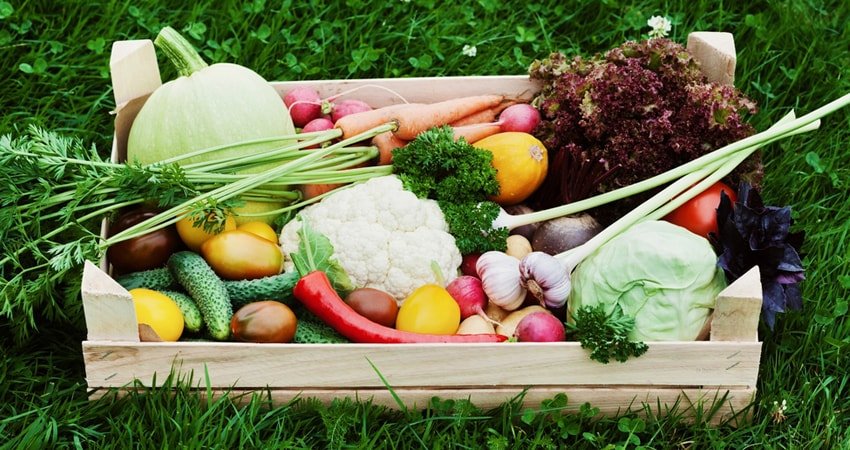
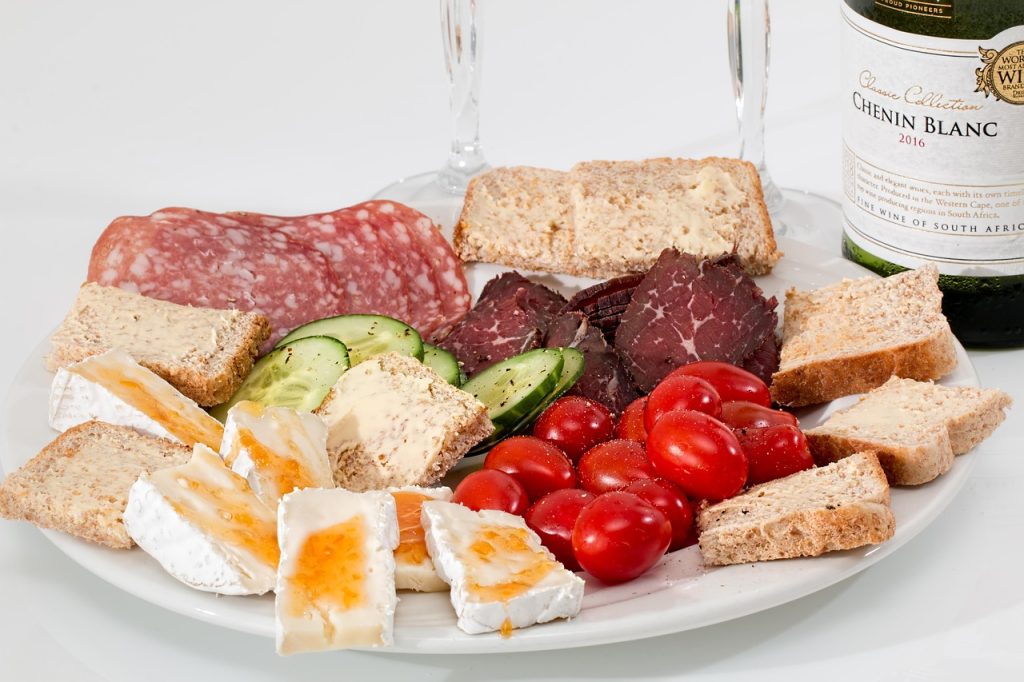
Organizing a small event often revolves around the details that create memorable experiences. One of the biggest components that defines an event’s success is undeniably the catering menu. Selecting the right options for a gathering can transform an ordinary occasion into an extraordinary celebration, delighting guests with delicious fare that often signals the event’s tone and style. Hosts are increasingly looking for menu ideas that provide both visual appeal and delectable flavors while catering to dietary restrictions. With a growing emphasis on healthy and organic ingredients, creative presentations, and interactive stations, the world of catering is evolving.
Essential Elements of a Standout Catering Menu
A remarkable catering menu begins with understanding the distinct elements that contribute to a truly satisfying experience. Event planners must consider not just the flavors, but also the presentation, dietary inclusivity, and interactive features that encourage guest engagement. A well-rounded menu should include a diverse array of selection categories to engage all palates.
- Appetizers & Small Bites: Caprese skewers, mini quiches, and smoked salmon bites are excellent choices that stimulate appetites without overwhelming guests.
- Main Dishes: A combination of plated entrees, such as pasta stations or carving stations, offers variety and indulgence that guests will appreciate.
- Interactive Stations: These stations, such as taco bars or salad bars, allow guests to customize their meals, creating a fun atmosphere that promotes mingling.
- Dietary-Inclusive Options: Incorporating vegan, gluten-free, and nut-free options ensures that every guest feels considered and valued.
- Seasonal Selections: Using ingredients that are in season, like fresh asparagus in spring or hearty stews in winter, enhances flavors and supports sustainability.
Understanding these categories allows for a thoughtful approach to menu planning. With the global catering market booming, hosts are committing a significant portion of their budget—between 30% to 50%—to food and beverages, thus reinforcing the necessity of getting the menu right. To illustrate, a small gathering that has a wide-ranging menu featuring protein options like chicken, beef, and beans can satisfy various dietary requirements while keeping guests happy and engaged. More than just sustenance, food builds connections and memories, making its role pivotal in the event planning process.
Strategic Considerations for Menu Planning
To construct a catering menu that feels cohesive and appealing, hosts must balance variety with simplicity. Offering too many options can lead to confusion and dissatisfaction, whereas a well-curated selection ensures that guests remain excited about their choices. Consider the logistics of serving, whether it be buffet-style or plated service—each method holds advantages and challenges.
| Service Type | Advantages | Challenges |
|---|---|---|
| Buffet | Freedom for guests; better flow. | Potentially messy; requires space. |
| Plated Service | Formal presentation; less waste. | Requires more staff; longer wait times. |
This strategic overview allows event hosts to tailor their service to match the event’s needs. For larger gatherings, buffet stations often prove to be ideal, facilitating a smooth dining experience while minimizing wait times. It can be beneficial to offer a blend of hot and cold options that include various textures and flavors. Moreover, food presentation plays a crucial role. Guests eat with their eyes first, so dishes should be arranged beautifully, utilizing vibrant colors and unique serving vessels.
Creating Memorable Experiences with Interactive Stations
Interactive food stations are a trendy and effective way to elevate dining at small events. They encourage guests to engage with the food, creating an atmosphere of fun and participation. Guests might build their own tacos, burgers, or grain bowls at interactive sites, allowing them to personalize their meals according to their tastes and dietary restrictions.
- Taco Bar: Offer an assortment of proteins, toppings, and salsas for a customizable experience.
- Slider Station: Mini burgers with a variety of fillings, including beef, pulled pork, and veggie options.
- DIY Salad Bar: Fresh greens, colorful vegetables, and dressings allow guests to curate their salads.
- Dessert Wall: Present various desserts that guests can pick and choose from, making sweet selections memorable.
These interactive features not only enhance the dining experience but also spark conversations among guests, creating a relaxed and enjoyable environment. For instance, a DIY dessert station where attendees can top their cupcakes with sprinkles and frosting invites creativity and fosters a sense of joy as they take part in the meal preparation. Ultimately, integrating interactivity into the menu not only delights guests but also reinforces the bonds created during the event. For tailored event solutions and high-quality reception equipment, you can rely on Ollie Sports Bar.