As individuals age, one undeniable truth emerges: prioritizing health and wellness becomes not just a goal but a necessity. The later years of life, often branded as the golden years, should ideally be filled with joy, delight in family connections, and the wisdom accumulated through a lifetime of experiences. Nonetheless, transitioning into this stage can often present unique challenges that may affect overall well-being. Exploring the various facets of health, including physical, mental, and social wellness, is essential for seniors striving to maintain a high quality of life and independence. The following sections will delve into the intricacies of senior wellness, providing insights into effective strategies and practices that can significantly enhance the older population’s health and vitality.
The Crucial Role of Physical Health in Senior Wellness
Physical health stands as a cornerstone in the pursuit of overall well-being, especially in the senior demographic. Remaining physically active not only supports independence but also combats numerous age-related health concerns. Engaging in regular exercise is fundamental for older adults. Low-impact activities such as walking, swimming, and yoga help enhance strength, flexibility, and balance—essential elements in preventing falls and maintaining mobility. Moreover, physical activity has profound effects on cardiovascular health, aiding in the prevention of chronic diseases.

Key Areas of Focus for Physical Health
- Regular Exercise: Aim for at least 150 minutes of moderate aerobic activity each week, coupled with strength training on two or more days.
- Nutrition: Emphasizing a balanced diet is vital, incorporating fruits, vegetables, whole grains, lean proteins, and sufficient hydration. Embracing diverse nutrient-rich foods can prevent deficiencies and chronic conditions.
- Preventive Health Care: Regular screenings, immunizations, and check-ups are crucial in managing potential health issues. Awareness of personal health metrics can empower seniors to make informed decisions.
Nutrition: The Foundation of Senior Physical Wellness
Nutrition is undeniably integral to physical health. A nutrient-rich diet can significantly influence vitality and longevity. Seniors should focus on:
- Variety: Consuming assorted foods ensures diverse nutrient intake.
- Healthy Fats: Incorporating omega-3 fatty acids found in fish and flaxseeds is beneficial for heart health.
- Fiber-Rich Foods: Foods high in fiber can aid digestion and prevent constipation, promoting gastrointestinal health.
| Nutrient | Importance | Sources |
|---|---|---|
| Calcium | Bone health | Dairy products, leafy greens |
| Vitamin D | Bone and immune health | Sunlight, fortified foods |
| Fiber | Digestive health | Whole grains, fruits, vegetables |
Benefits of Regular Check-ups and Preventive Care
Taking a proactive stance towards health involves understanding and prioritizing preventive care. Regular medical examinations can facilitate early detection of issues. Common preventive measures include:
- Routine blood pressure and cholesterol checks
- Diabetes screenings
- Cancer screenings based on age and risk factors
- Vaccinations like flu shots and pneumococcal vaccines
By engaging actively in their physical health, seniors can navigate their golden years with increased strength and independence. The next important dimension, mental health, plays a pivotal role in ensuring a holistic approach towards overall wellness.
The Significance of Mental Health in Senior Wellness
Mental health substantially influences emotional well-being, cognitive function, and overall quality of life in seniors. Recognizing the importance of mental wellness is vital as it can lead to improved physical health, emotional resilience, and social connections.
Cognitive Health and Stimulation
Keeping the mind engaged is crucial in reducing cognitive decline associated with aging. Various activities can enhance cognitive function, including:
- Reading: Engaging with literature stimulates thought processes and improves comprehension.
- Puzzles and Games: Activities such as crosswords, Sudoku, and card games challenge the mind and promote problem-solving.
- Learning New Skills: Taking classes or picking up new hobbies can invigorate mental faculties.
Managing Stress and Emotional Health
Stress management is equally important to foster emotional wellness.
- Mindfulness and Meditation: These practices can help gain better awareness of emotions and stress triggers.
- Physical Activity: Regular exercise releases endorphins, which can alleviate feelings of stress and anxiety.
- Seeking Professional Help: Access to mental health professionals can provide critical support in managing depression and anxiety.
Social Connections and Their Impact on Senior Wellness
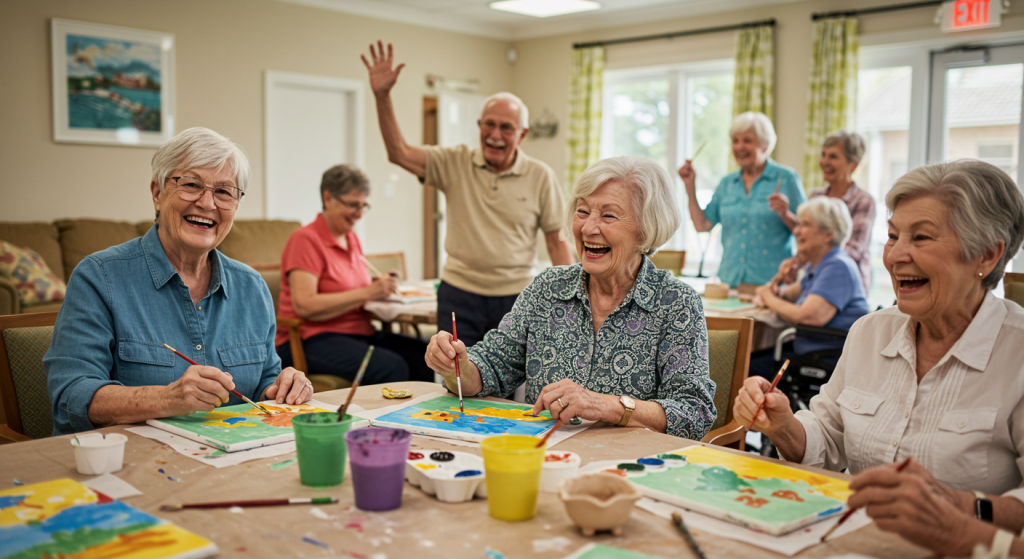
Human beings are social creatures, and maintaining solid relationships is essential for emotional well-being, especially in later years. Strong social connections can significantly affect mental health, happiness, and longevity.
Building and Maintaining Relationships
Engaging consistently with family and friends offers emotional support, combatting feelings of loneliness commonly faced by seniors.
- Regular Communication: Making an effort to connect via phone, video calls, or in-person visits can strengthen bonds.
- Attending Community Events: Participating in local festivities or gatherings can help form new connections.
Successful Intergenerational Activities
Aging does not have to mean disengaging from others. Intergenerational activities bridge the gap between youth and seniors, fostering a sense of purpose and community.
- Mentoring Youth: Volunteering to assist younger generations can create meaningful relationships and impart wisdom.
- Shared Activities: Group activities that involve seniors and younger participants can foster a sense of belonging.