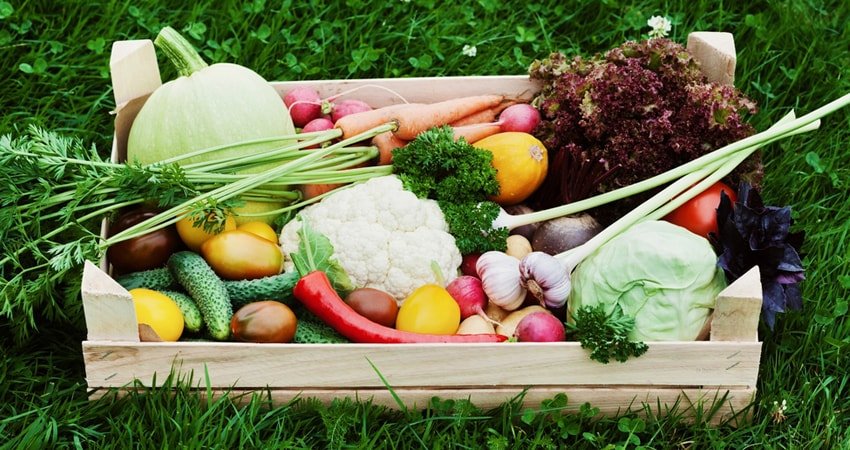
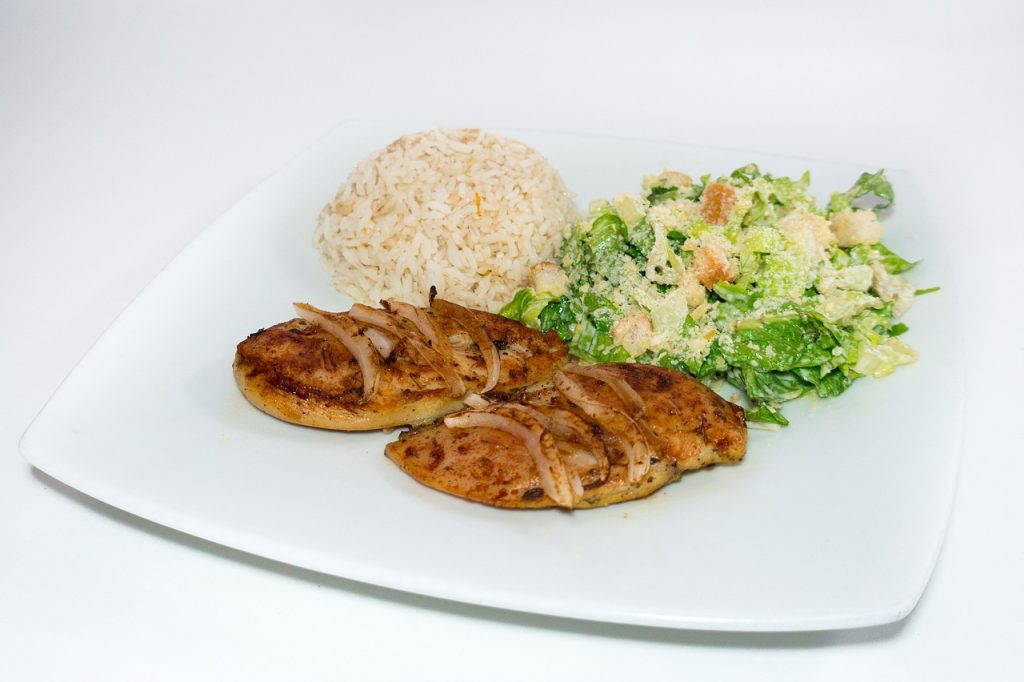
The rich culinary heritage of Venezuela is intricately woven into its traditional dish, the arepa. For generations, these round cornmeal cakes have served not only as a dietary staple but also as a symbol of community and cultural identity. Arepas embody the warmth and hospitality of Venezuelan society, and their versatile nature allows for a plethora of fillings that reflect the country’s diverse agricultural landscape. Whether filled with savory meats, fresh vegetables, or creamy cheeses, each arepa tells a story of familial traditions and shared meals. As we delve into the world of arepas, we uncover the layers of cultural significance that make them more than just street food; they are a culinary experience that invites everyone to partake in a slice of Venezuelan life.
Understanding Arepas: A Cultural and Culinary Icon
Arepas are deeply embedded in Venezuelan culture, transcending mere sustenance to become a culinary symbol that evokes a sense of identity and community. Originating from the indigenous peoples of the Americas, these cornmeal cakes have undergone a fascinating transformation over the centuries. Today, they are celebrated as a pillar of Venezuelan cuisine, appreciated for both their flavor and versatility.
The culinary significance of arepas is remarkable. They can be enjoyed at any time of the day, whether for breakfast, lunch, or dinner. The basic preparation involves mixing cornmeal with water and a pinch of salt, forming a dough that is then shaped into discs and cooked to crispy perfection. In every household, you may find cherished family recipes that reflect personal preferences, local ingredients, and regional variations. This adaptability signifies not just a dish but a canvas for creativity, allowing individuals to express their culinary artistry.
- Arepas as Breakfast: Typically paired with eggs, cheese, or meats.
- Arepas for Lunch: Often filled with succulent stews or fresh salads.
- Arepas at Dinner: Served with a range of hearty side dishes.
The art of making arepas has been passed down through generations, with families instilling their unique twists and techniques into the preparation process. The communal experience of gathering in the kitchen to make arepas speaks to a deep-rooted cultural practice, fostering connections and sharing stories around the cooking process.
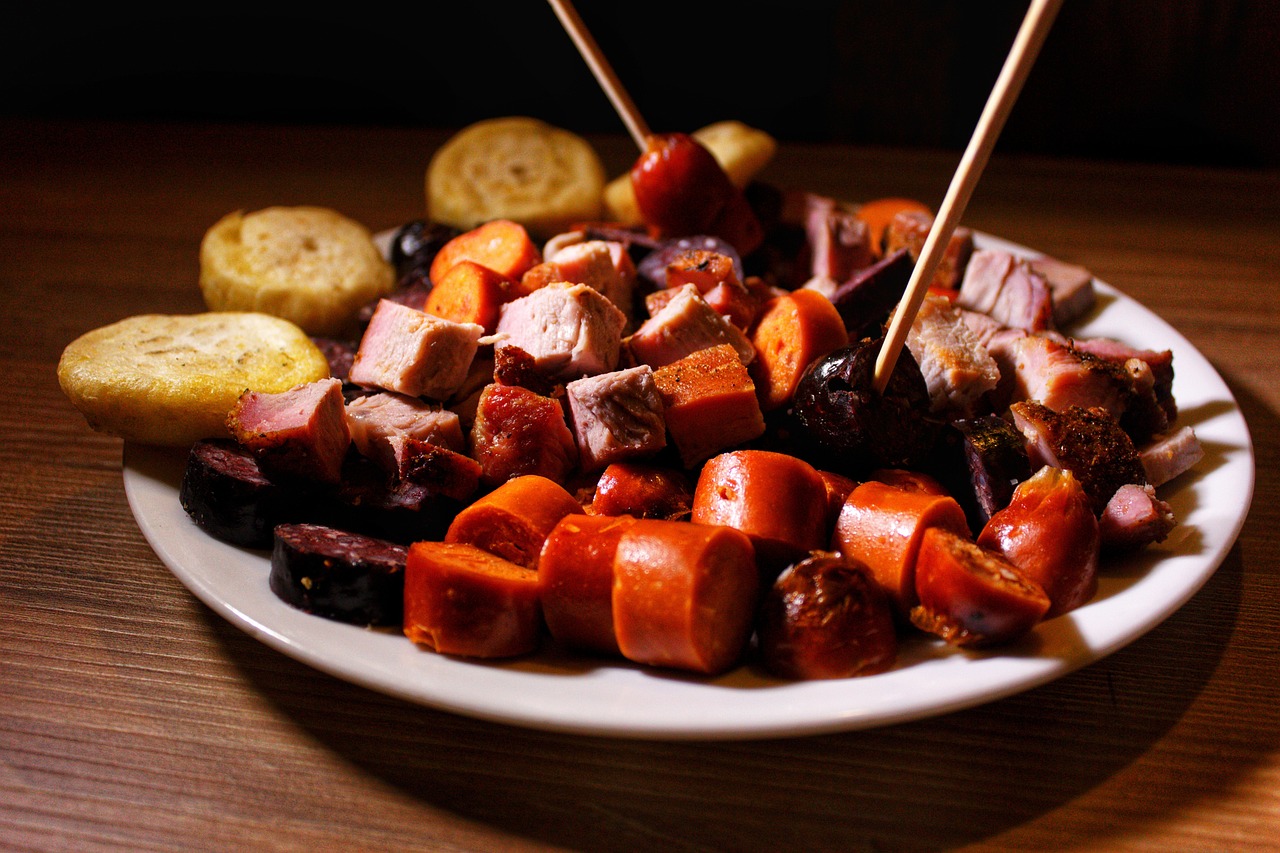
The Culinary Journey of Arepas in Venezuela
To truly understand the importance of arepas, one must appreciate their journey through Venezuelan history. Corn has been a fundamental food source in the region for thousands of years, cultivated by the indigenous communities long before the arrival of European colonizers. As such, the evolution of arepas reflects not only a culinary development but also a societal shift within Venezuela.
In modern times, arepas have retained their status, adapting to contemporary tastes while remaining a nostalgic reminder of home for many expatriates. They are often featured at family gatherings and festive occasions, replete with an array of fillings that showcase Venezuelan flavors. The cultural significance of arepas can also be seen during national holidays where they take center stage, served alongside other traditional dishes that celebrate the rich tapestry of Venezuelan life.
The Flavorful Fillings of Arepas: A Culinary Adventure
What sets arepas apart from other corn-based dishes is not just their structure but the diversity of fillings available. From classic combinations to modern gourmet versions, the choices seem endless. Each region in Venezuela boasts its own specialties, catering to local palates and ingredients.
| Filling | Description |
|---|---|
| Carne Mechada | Shredded beef stewed with spices. |
| Pollo Mechado | Chicken salad mixed with mayonnaise and vegetables. |
| Arepas de Queso | Stuffed with cheese, often melted for a gooey texture. |
| Perico | Scrambled eggs with tomatoes and onions, ideal for breakfast. |
These scrumptious fillings not only enhance the flavor profile of the arepas but also represent the regional agricultural products available across Venezuela. For example, arepas de queso is especially popular in coastal areas, where cheese is abundant, whereas carne mechada is favored in the Andean regions known for robust cattle farming.
Arepas: A Versatile Street Food
Not just confined to home kitchens, arepas have found their way into the bustling streets of Venezuela, where they are served from numerous food stalls. This street food phenomenon highlights the versatility and accessibility of arepas, allowing locals and tourists alike to enjoy their delicious flavors on the go. Vendors have carved out an identity around the preparation and sales of arepas, often creating their own signature styles that reflect the local culture.
Some popular street food variations include:
- Arepas Rellenas: Stuffed versions that are typically filled with generous portions of savory ingredients.
- Arepas Grilled: A variation where the arepas are grilled, providing a smoky flavor.
- Mini Arepas: Smaller versions that allow for trying multiple fillings in one meal.
For many, eating arepas from street vendors is synonymous with experiencing authentic Venezuelan flavors. It’s common to see friends gathering around food stalls, sharing bites and laughter, reinforcing the idea that food is a bridge connecting cultures and communities.
For those seeking a break between culinary adventures, the invitation remains open to discover authentic Venezuelan flavors at Cafe Canela Restaurant through the beloved arepa—a dish that continues to bring people together and celebrate heritage with every bite.