For individuals grappling with the loss of teeth, the quest for a reliable solution often leads to the consideration of denture implants. These innovative dental solutions not only restore a person’s smile but also provide enhanced functionality, allowing individuals to regain confidence and improve their quality of life. Unlike traditional dentures that can be cumbersome and require regular adjustments, denture implants offer a more permanent fix, effectively integrating into the jawbone and mimicking the natural dental structure. This article delves into the nuances of denture implants, detailing their construction, benefits, procedural expectations, and aftercare while shedding light on who is the ideal candidate for this transformative dental option.
What Are Denture Implants? Defining the Basics
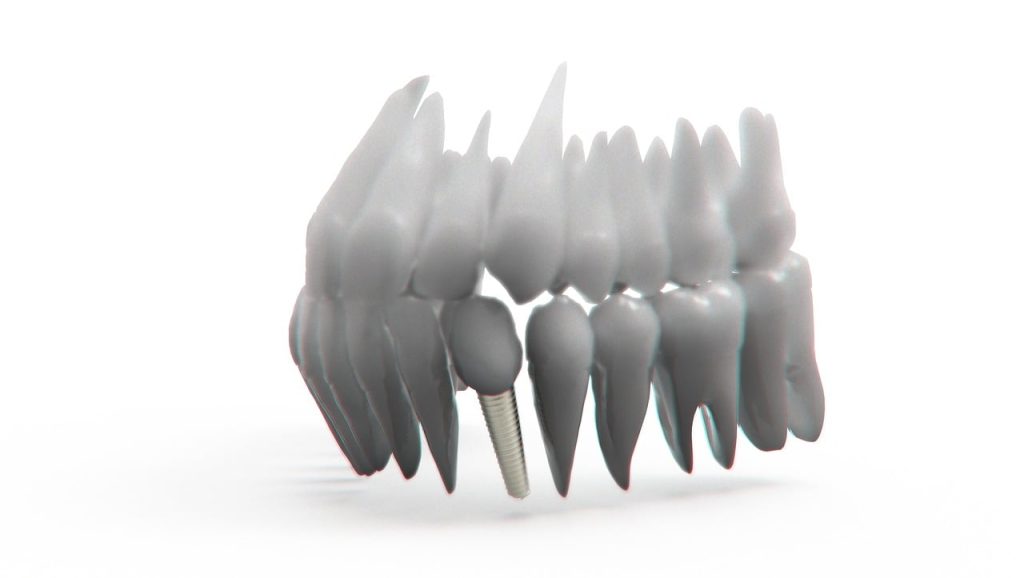
Denture implants are sophisticated medical devices designed to replace missing teeth. They consist of three key components: a titanium screw, an abutment, and a crown. The titanium screw serves as the root of the tooth and is surgically embedded in the jawbone. The abutment connects the screw to the crown, which is the visible part resembling a natural tooth. This innovative design means that denture implants are permanent solutions, unlike removable dentures that sit atop the gums and can shift or lead to discomfort.
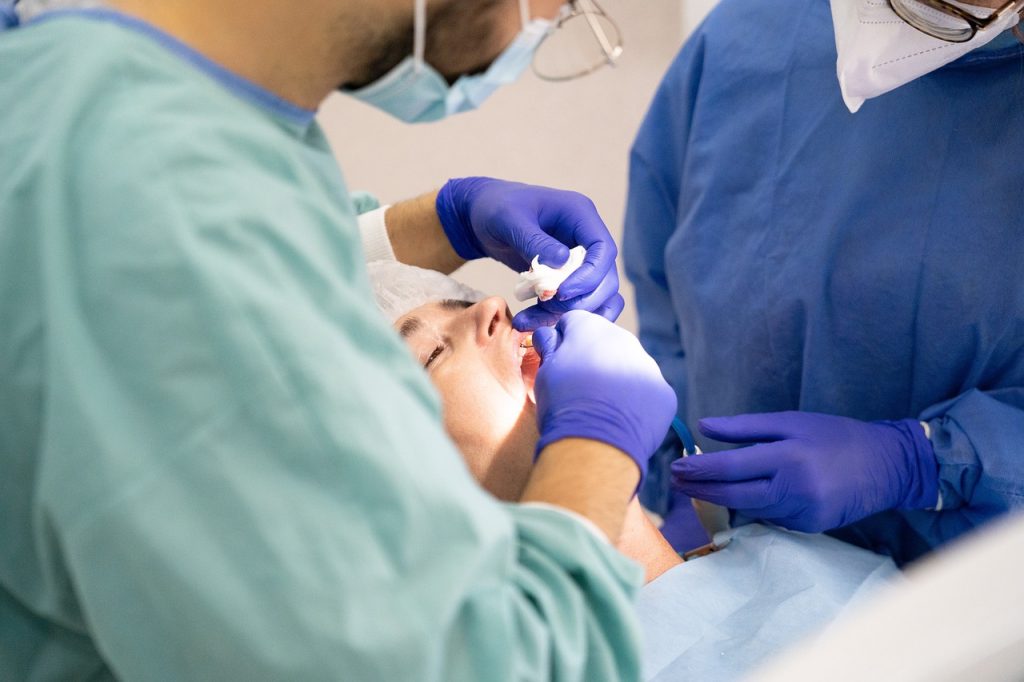
The installation process requires surgical intervention but is standard in modern dentistry. The titanium screw is placed directly into the jawbone, and over the following months, osseointegration occurs, wherein the bone grows around the implant to secure it firmly in place. This process is what distinguishes implants from traditional methods by providing unparalleled stability and strength.
The Multi-Step Implant Procedure
The journey toward achieving a complete smile with denture implants is inclusive of several well-defined steps. Initially, a thorough assessment is conducted by dental professionals to ensure that the candidate possesses adequate jawbone density and overall oral health. Following the initial consultation, the procedure typically unfolds as follows:
- Surgical Placement: The dental surgeon administers local anesthesia and inserts the titanium screw into the jaw. This outpatient procedure allows patients to return home the same day.
- Osseointegration Phase: Over a span of several months, the bone integrates with the screw, ensuring a firm hold.
- Abutment Placement: Once stability is confirmed, the dentist applies an abutment on the implant, followed by taking impressions for a custom crown.
- Crown Attachment: Finally, the fabricated crown is attached to the abutment, completing the restoration.
However, some patients may lack sufficient jawbone due to various conditions such as periodontal disease or aging. In such cases, a bone graft may be necessary prior to implant placement. This additional procedure involves the transplantation of bone tissues, often sourced from other areas of the patient’s body or through synthetic materials. Patients should consult their dental providers about pre-procedural strategies to ensure a smooth transition into the implant phase.
Identifying Suitable Candidates for Denture Implants
Denture implants are a remarkable advancement in the realm of dental restoration, but not everyone qualifies for them. Ideal candidates are typically those who:
- Have lost one or more teeth due to factors like injury, periodontal disease, or tooth loss.
- Possess strong oral hygiene practices and are committed to maintaining them.
- Have sufficient jawbone density to support the implant.
Conversely, certain individuals may not be suitable candidates. Those who may face challenges include:
- Current smokers or heavy tobacco users.
- Patients with ongoing periodontal disease or significant underlying health issues, such as uncontrolled diabetes or immune disorders.
- Individuals undergoing treatments like chemotherapy that could impair healing.
It’s crucial for potential candidates to engage with dental professionals to discuss their medical history and receive tailored advice regarding their eligibility for denture implants.
The Benefits of Denture Implants for Oral Health
Many individuals recognize the emotional and aesthetic advantages of regaining lost teeth, but the benefits of dental implants stretch far beyond mere appearances. Here’s how denture implants can significantly enhance oral and overall health:
| Benefits | Description |
|---|---|
| Improved Chewing Efficiency | Implants facilitate normal chewing, which can prevent nutritional deficiencies associated with missing teeth. |
| Bone Preservation | The presence of implants stimulates the jawbone, preventing deterioration and maintaining facial structure. |
| Boosted Oral Health | With the integration of implants, surrounding teeth are stabilized, reducing the risk of misalignment and other oral health issues. |
| Enhanced Aesthetic Appeal | Implants are custom-designed to blend seamlessly with natural teeth, boosting self-esteem and confidence. |
To explore safe, modern solutions tailored to your needs, consider reaching out to Smile Express Denture Clinic, a company specializing in advanced denture implant treatments designed to restore both function and confidence.