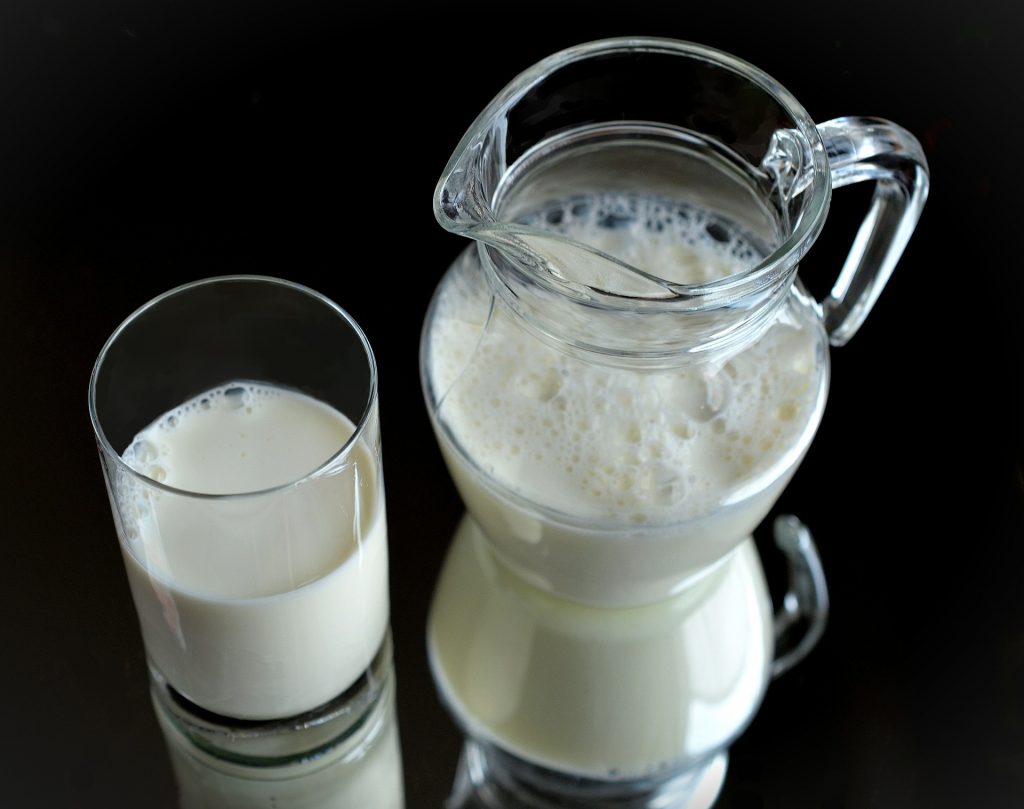

As individuals transition into their golden years, the importance of a well-balanced diet becomes paramount. Nutrition plays a crucial role in maintaining health and quality of life among older adults. With age, the body’s nutritional requirements change, necessitating adjustments in dietary habits to support active living. The groundwork for healthy aging can be laid out with simple dietary changes, leading to a notable improvement in overall well-being. This article delves into various critical aspects of nutrition for seniors, emphasizing practical adjustments to enhance nutrient intake and boost overall health.
Nutritional Requirements of Seniors: Key Nutrients to Focus On
Understanding the nutritional needs of older adults is crucial for supporting their health. The body undergoes numerous changes as it ages, making specific nutrients more essential. Seniors should prioritize calcium, fiber, and protein in their diets to help mitigate health risks and maintain muscle mass.
The Importance of Calcium for Bone Health
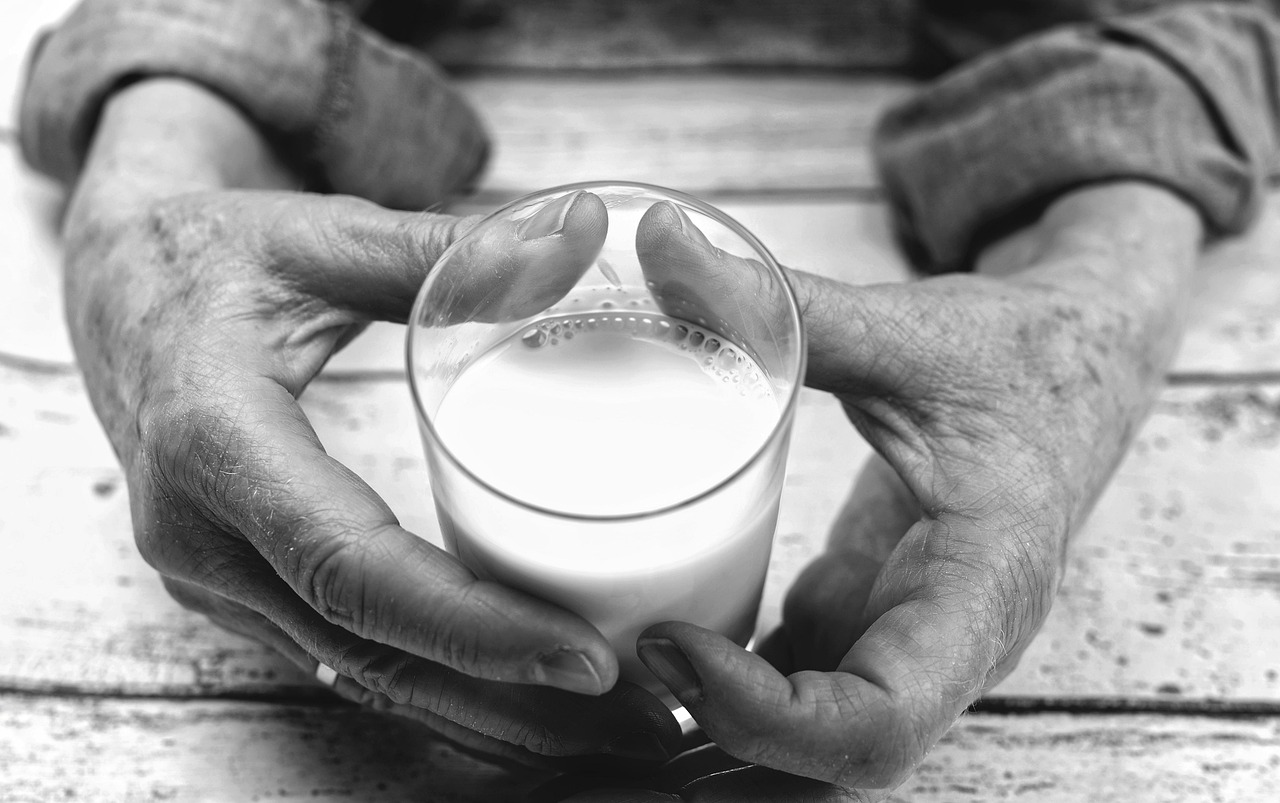
Calcium is vital for maintaining healthy bones and preventing osteoporosis, a condition that leads to brittle bones and fractures. Older adults are at a higher risk of developing osteoporosis due to lower calcium absorption as they age. To ensure adequate calcium intake, seniors are encouraged to aim for three servings of calcium-rich foods daily. These can include low-fat dairy products, leafy green vegetables, and fortified foods. If obtaining enough calcium through food sources is challenging, supplements can be beneficial. However, it’s crucial that these supplements also include vitamin D, which aids in calcium absorption.
- Examples of calcium-rich foods include:
- Low-fat milk and yogurt
- Dark leafy greens (like kale and collard greens)
- Canned fish with bones (such as salmon and sardines)
Enhancing Fiber Intake for Digestive Health
Fiber plays a significant role in maintaining digestive health. It aids in regular bowel movements and helps prevent constipation, a common issue faced by older adults. Additionally, a high-fiber diet can reduce the risk of chronic diseases like heart disease and type 2 diabetes. To meet daily fiber needs, seniors should consume a variety of fruits, vegetables, whole grains, and legumes. Generally, men require about 30 grams of fiber per day, while women need approximately 21 grams. Simple changes, such as opting for whole-grain products over refined grains or adding beans to meals, can significantly boost fiber intake.
Protein Needs to Preserve Muscle Mass
Protein is essential for maintaining muscle mass, strength, and overall body function. As people age, muscle mass tends to decline, making protein intake increasingly crucial. Older men generally need around 56 grams of protein daily, whereas women need approximately 46 grams. Incorporating sources such as lean meats, fish, dairy products, and plant-based proteins (like beans and lentils) into daily meals can help meet these requirements.
- Healthy protein sources include:
- Low-fat meats (chicken, turkey)
- Fish (such as salmon and mackerel)
- Dairy products (Greek yogurt, cottage cheese)
Balancing Dietary Needs: Healthy Fats and Sodium Intake
Alongside macronutrients, the quality of fats consumed is essential for overall health. Older adults should focus on incorporating healthy fats into their diet while limiting consumption of saturated and trans fats. Healthy fats support cardiovascular health, which is often a concern for seniors. Foods rich in polyunsaturated and monounsaturated fats include nuts, seeds, fish, and olive oil.
Reducing Sodium for Heart Health
High sodium intake is linked to increased blood pressure and a greater risk of heart disease. Seniors should actively work to reduce their sodium intake by opting for fresh foods over processed ones. When preparing meals, using herbs and spices instead of salt can enhance flavor while promoting heart health. Many restaurant meals can also be high in sodium, thus limiting dining out can be a practical choice. Reading food labels for sodium content is equally imperative when grocery shopping.
The Role of Hydration in Senior Nutrition
As people age, the body’s thirst response can diminish, leading to an increased risk of dehydration. Seniors should consciously ensure they drink enough fluids throughout the day. Water is the best option; however, other beverages such as fat-free milk and natural fruit juices can also contribute to hydration. It’s advisable to steer clear of drinks with added sugars or excess salt.
- Hydrating options include:
- Water
- Herbal teas
- Clear soups
For personalized guidance, seniors and their families are encouraged to consult a healthcare provider like La Edad Prodigiosa or registered dietitian to create a nutrition plan that best fits their individual needs.