
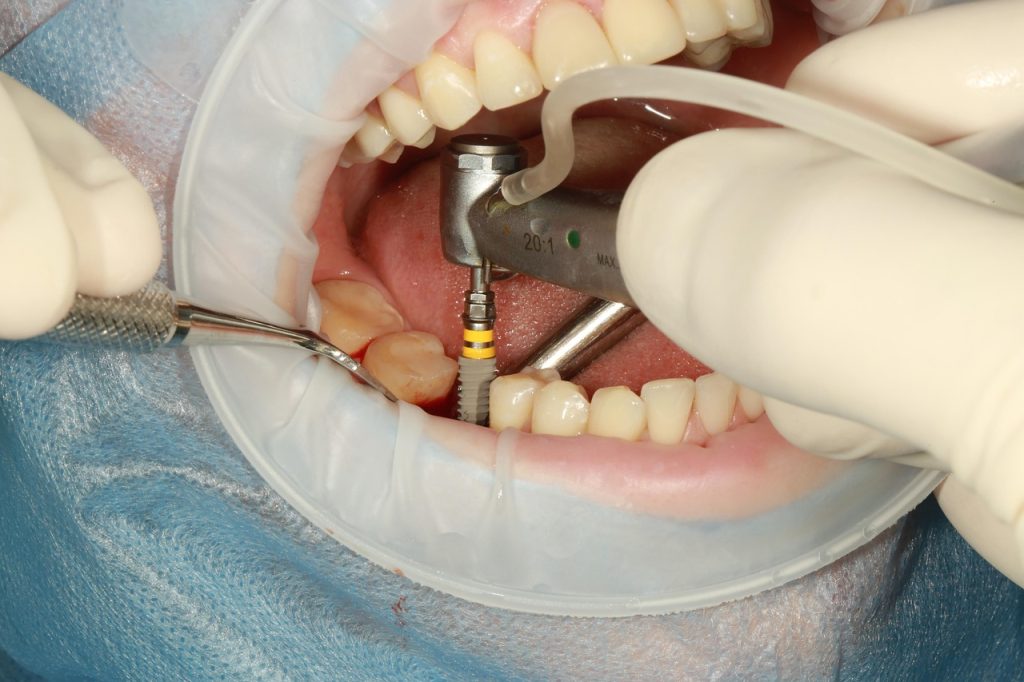
Dental implants have revolutionized the field of dentistry, providing a reliable solution for tooth loss that not only restores functionality but also enhances aesthetics. As dental technology progresses, implants have garnered increasing attention for their numerous advantages over traditional dentures and bridgework. This guide delves into the myriad benefits of dental implants, exploring their advantages, procedural insights, and long-term effects on oral health.
Advantages of Dental Implants Over Traditional Solutions
When considering options for tooth replacement, dental implants stand out due to their numerous benefits. Unlike traditional dentures, which can shift and require adhesives, dental implants are secured directly into the jawbone, resulting in a stable and permanent solution. This permanence translates into several advantages, including:
- Enhanced Aesthetics: Implants look and feel like natural teeth, restoring the smile and boosting confidence.
- Improved Functionality: Patients can chew and speak with greater ease and comfort, eliminating the discomfort often faced with dentures.
- Bone Preservation: Implants prevent bone loss by stimulating the jawbone, as natural teeth would.
- Convenience: Unlike dentures, which require removal for cleaning, implants are maintained like natural teeth.
The distinction between implants and traditional solutions is magnified when considering lifestyle and daily practices. For instance, individuals using dentures may avoid certain foods due to the potential for slippage. In contrast, dental implants allow freedom of movement and choice when it comes to diet. Research indicates that patients with dental implants report higher satisfaction levels compared to those with traditional solutions.
| Feature | Dental Implants | Traditional Dentures |
|---|---|---|
| Stability | High | Moderate |
| Longevity | Long-term (10+ years) | Short-term (5-7 years) |
| Maintenance | Regular brushing and flossing | Removable; cleaning required |
The Procedure: What to Expect During Installation
Understanding the procedure for dental implants can alleviate concerns and apprehensions. The process typically unfolds in several stages:
- Initial Consultation: The dentist assesses the patient’s dental health, taking X-rays and impressions for a custom treatment plan.
- Surgical Placement: The implant is surgically inserted into the jawbone. This procedure is often done under local anesthesia.
- Healing Phase: A period of osseointegration follows, where the implant fuses with the bone. This can take several months.
- Placement of Abutment and Crown: Once healed, an abutment is attached to the implant to hold the crown, which is custom-made for the patient.
Each phase is critical to the overall success of the implant. Complications are rare, but diligent aftercare and periodic check-ups are essential. Following the procedure, patients can expect some swelling and discomfort, which can typically be managed with prescribed medications. The rapid advancements in implant technology have also led to minimally invasive techniques that enhance recovery times.
Long-term Benefits of Dental Implants for Oral Health
While the aesthetic and functional benefits of dental implants are immediate, the long-term advantages play a pivotal role in overall oral health. One notable aspect is bone health. Natural teeth stimulate jawbone growth, providing the necessary nutrients and structure. When teeth are lost, the jawbone can deteriorate, leading to facial changes and further tooth loss. Dental implants, on the other hand, mimic the function of natural teeth, preserving bone density.
Other long-term benefits include:
- Enhanced Oral Hygiene: Dental implants are easier to care for than dentures, promoting better oral hygiene practices over time.
- Reduced Risk of Additional Oral Issues: By preventing bone loss and maintaining the alignment of other teeth, implants reduce the likelihood of complications such as periodontal disease.
- Psychological Benefits: Patients often experience increased self-esteem and emotional well-being due to their enhanced appearance and functionality.
Studies show that individuals with dental implants tend to maintain a healthier oral environment compared to those using removable dentures. The integration of implants into the jawbone can prevent adjacent teeth from shifting, thus maintaining alignment and function.
| Benefit | Impact on Oral Health |
|---|---|
| Bone Preservation | Prevents deterioration; maintains facial structure |
| Improved Hygiene | Easier to clean; lowers risk of decay |
| Increased Comfort | Eliminates discomfort associated with dentures |
Dental implants represent a transformative advancement in modern dentistry, offering a long-lasting and natural-feeling solution for tooth replacement. Their ability to restore both function and appearance, while also preserving oral health in the long run, sets them apart from traditional methods like dentures or bridges. With proper care and regular dental check-ups, implants can last for decades, providing not only practical benefits but also boosting confidence and overall quality of life.