
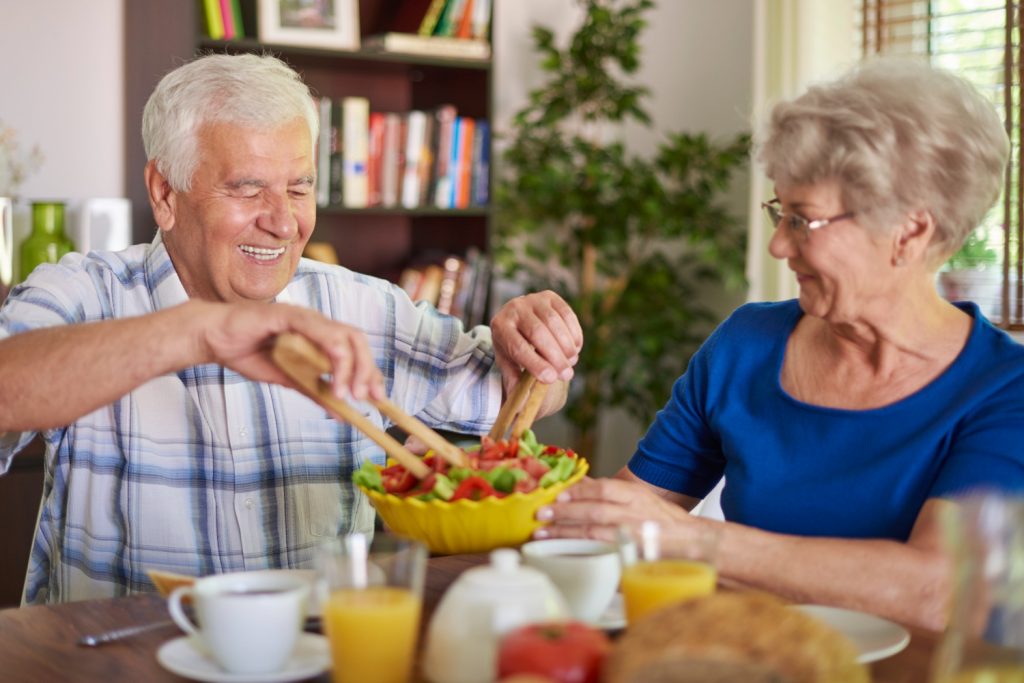
The intersection of entertainment and nutrition for the elderly has garnered significant attention in recent years, particularly as the global population ages. With projections indicating that by 2050, around 150 million people will be affected by dementia, understanding how these two factors influence cognitive health becomes paramount. Elders often face cognitive decline, affecting their daily lives and overall well-being. Engaging in stimulating activities can serve as a mental exercise, while maintaining a balanced diet can nourish the brain and enhance its function. Hence, integrating entertainment with nutritional wisdom is essential to promote healthy aging.
The Relationship Between Nutrition and Cognitive Health in the Elderly
Nutrition plays an undeniably vital role in sustaining cognitive functions as individuals grow older. Recent studies have demonstrated that certain dietary patterns and specific nutrients may lower the risk of developing cognitive disorders, including dementia and Alzheimer’s disease. Various factors contribute to this relationship, from the quality of food to the types of nutrients consumed.
Essential Nutrients for Cognitive Improvement
The elderly often require additional care in selecting the right foods that not only provide energy but also support brain function. Certain nutrients have been identified as particularly beneficial:
- Omega-3 Fatty Acids: Found in fatty fish like salmon and mackerel, these essential fats contribute positively to cognitive health. They are linked to improved memory performance and reduced risk of cognitive decline.
- B Vitamins: Vitamins B6, B12, and folate play a crucial role in brain health. Low levels of these vitamins have been associated with increased homocysteine levels, which can lead to cognitive deterioration.
- Antioxidants: Compounds like vitamins C and E, along with flavonoids found in berries, can protect the brain from oxidative stress.
- Polyphenols: Found in foods like tea, dark chocolate, and a variety of fruits, polyphenols are known for their neuroprotective properties.
The Mediterranean Diet and Cognitive Function
One dietary pattern that stands out is the Mediterranean diet. Numerous studies have linked adherence to this diet with a lower incidence of cognitive decline and dementia. Rich in fruits, vegetables, whole grains, and healthy fats, this diet emphasizes the intake of unprocessed foods while minimizing red meats and sugars. The collective effects of the nutrients consumed in this diet result in improved brain health, promoting mental clarity and even enhancing emotional well-being.
Moreover, research has indicated that following a Mediterranean diet can slow the progression of Alzheimer’s disease. In a cohort study, participants who strictly adhered to this dietary pattern showed significant improvement in cognitive tests over time compared to those who did not.
The Importance of Entertainment for Mental Stimulation
Engaging in intellectually stimulating activities can significantly bolster cognitive health among the elderly. Research underscores the idea that mental exercise plays a crucial role in delaying cognitive decline. Entertainment, whether through creative pursuits, puzzles, reading, or group activities, can keep the mind sharp and agile.
Mental Activities to Enhance Cognitive Performance
Integrating various forms of entertainment can enrich elderly experiences:
- Art Classes: Participating in painting or pottery classes encourages creativity and improves hand-eye coordination.
- Puzzles and Games: Engaging in crossword puzzles, Sudoku, or board games enhances problem-solving skills and memory.
- Book Clubs: Joining a reading group fosters discussion, enhancing comprehension and social engagement.
- Music Therapy: Learning a musical instrument or participating in a choir can stimulate brain areas associated with memory and emotion.
Social Engagement as Cognitive Support
Social connections are integral for cognitive health. The elderly often face isolation, which can contribute to depression and cognitive decline. Engaging in group activities, attending community events, or even participating in online forums can provide a much-needed social outlet. Research indicates that social interaction significantly impacts mental health, promoting cognitive resilience. A study revealed that seniors with active social lives were less likely to exhibit signs of cognitive impairment.
Creating a Balanced Routine for Healthy Aging
While nutrition and entertainment individually contribute to cognitive health, their combined effect fosters an environment conducive to holistic well-being. Establishing a balanced routine that incorporates both elements can significantly enhance quality of life. Elders should aim to create a daily schedule that includes:
- Healthy, nutrient-rich meals that promote brain function.
- Engaging activities that stimulate mental faculties.
- Opportunities for social interaction, whether virtually or in-person.
- Physical activities that support both physical and cognitive health, such as gentle exercise or yoga.
A Sample Daily Routine for Cognitive Health
| Time | Activity | Objective |
|---|---|---|
| 8:00 AM | Breakfast with whole grains and fruits | Boost energy and cognitive function |
| 10:00 AM | Art class or puzzle activity | Engage creativity and critical thinking |
| 12:00 PM | Brain-healthy lunch | Provide essential nutrients for the brain |
| 2:00 PM | Reading or book club | Enhance comprehension and social interaction |
| 4:00 PM | Gentle exercise or yoga | Support physical and mental health |
| 6:00 PM | Dinner with friends | Foster community and connection |
In conclusion, the dual approach of integrating entertainment with mindful nutrition is crucial for promoting cognitive health among the elderly. By encouraging mental stimulation through engaging activities and supporting brain function with nutrient-rich diets, we lay a strong foundation for healthy aging, enabling seniors to thrive both mentally and socially. Amanecer Adult Day Care provides recreational and social activities that stimulate the mind and body of elderly people.