
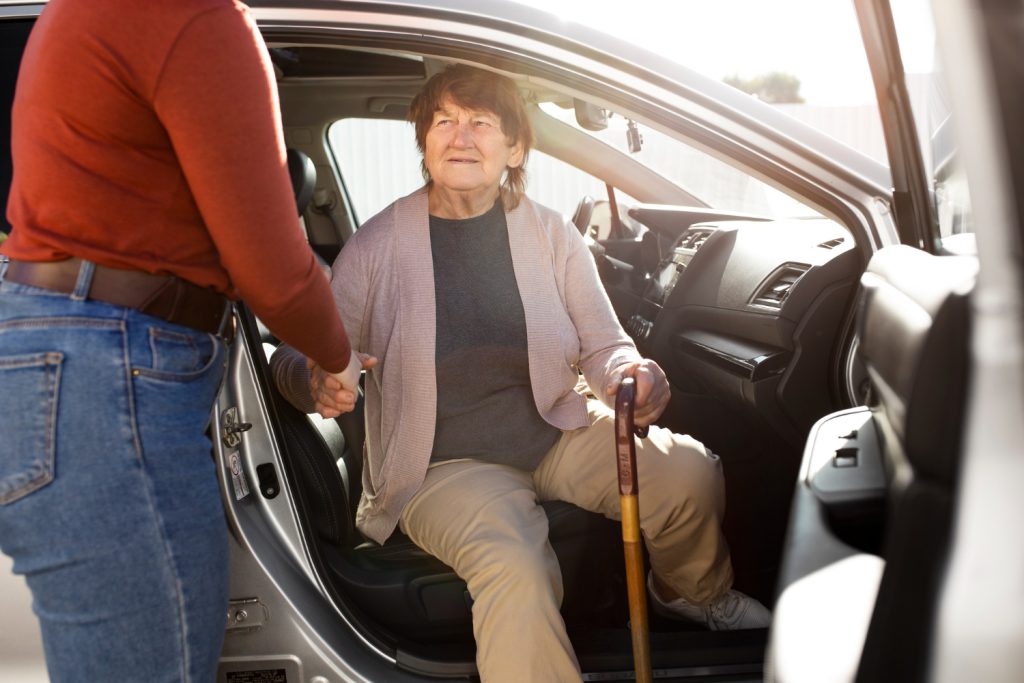
The transport needs of the elderly continue to evolve, shaped by a growing population of seniors who require flexible and reliable options. As families and care providers seek ways to empower older adults, the spotlight falls on transportation solutions that enhance their mobility and independence. This article delves into the multifaceted world of elderly care transportation, illuminating its significance in maintaining social connections, ensuring healthcare access, and enriching the quality of life for senior citizens. In the context of 2026, as demographics shift and innovation blossoms, understanding these services has never been more vital. From specialized programs to technology-driven solutions, the landscape of elderly transportation is expanding, fostering a framework where independence and dignity reign supreme.
Understanding the Need for Enhanced Senior Mobility
As the global demographic of individuals over the age of 60 consistently grows, the necessity for innovative and effective transportation solutions becomes increasingly apparent. Mobility is fundamental to the independence and well-being of older adults, facilitating access to essential services and social connections. Unfortunately, many seniors face challenges due to declining personal vehicle use attributable to age-related limitations. If not addressed, this can lead to isolation, declining mental health, and worsening physical conditions.
Various studies underline the importance of transportation services for seniors. For instance, research suggests that nearly 90% of adults over 60 wish to age in place, yet their ability to do so heavily depends on their mobility options. Reliable transportation can significantly alter their day-to-day experiences, allowing them to attend medical appointments, engage in social activities, and maintain their independence.
- Access to healthcare facilitates chronic condition management.
- Regular social interaction combats feelings of loneliness.
- Independence in errands supports overall well-being.
Thus, while many older adults face mobility challenges, the role of transportation assistance programs proves essential in bridging gaps. Various options are available, including public transport, paratransit services, and volunteer-led initiatives, all catering to the unique needs of the elderly population.

Accessibility and Its Role in Senior Transportation
One fundamental aspect of effective elderly care transportation is accessibility. Services designed for older adults must be easy to reach and use, considering the varying physical and mobility limitations that seniors may face. Programs that emphasize accessibility ensure that seniors can travel safely and conveniently, eliminating barriers that prevent them from utilizing available options.
Access can manifest in several forms. Services should ideally provide features such as:
- Door-to-door transport: This feature assists seniors who may struggle with mobility, ensuring they do not have to navigate public transport systems alone.
- Staff training: Drivers and helpers equipped with the necessary skills to assist older adults can significantly enhance user experiences.
- Technological conveniences: Apps that facilitate ride bookings can improve the ease with which seniors access transportation services.
Older adults often have unique preferences regarding their transportation experiences. Transparency, reliability, and safety are paramount. Programs that place an emphasis on these characteristics will likely promote a positive experience, enhancing the likelihood of seniors taking advantage of these services.
The Importance of the Five A’s for Senior-Friendly Transportation
The concept of the “Five A’s” – Availability, Accessibility, Acceptability, Affordability, and Adaptability – serves as a guiding framework for evaluating senior-friendly transportation options. Each element contributes significantly to promoting mobility for the elderly.
| A | Definition | Importance |
|---|---|---|
| Availability | Refers to the range of transportation options available for older adults. | Ensures that seniors have various choices that facilitate their travel needs. |
| Accessibility | Ensures services are easy to use for those with mobility impairments. | Helps eliminate barriers preventing seniors from traveling. |
| Acceptability | Relates to the comfort and appropriateness of the transportation services offered. | Enhances the overall user experience, making seniors feel respected and safe. |
| Affordability | Makes transportation economically viable for older adults. | Increases the likelihood of service utilization among seniors on fixed incomes. |
| Adaptability | Highlights the need for systems to evolve with changing demographics. | Ensures continued relevance amidst varying senior needs in diverse environments. |
Transportation’s Impact on Independence
Transportation plays a pivotal role in fostering independence among seniors. Reliable transport allows older adults to manage their lives, engage in social activities, and attend necessary medical appointments—all crucial for well-being. When transportation is lacking, many seniors experience isolation, compounding issues of loneliness and depression.
For families seeking dependable and compassionate mobility solutions, Hora Feliz Adult Day Care Inc offers specialized elderly transportation services designed to prioritize safety, comfort, and independence at every stage.