
Water is one of the most essential components of life on Earth. Whether consumed, used for cooking, or employed in various industrial processes, its purity is paramount. Among the various forms of water available, distilled water stands out for its method of purification and numerous applications. Unlike tap water or bottled water, distilled water undergoes a process of boiling and condensation, ensuring that it is stripped of impurities and contaminants. This unique purification method not only enhances the water’s safety but also opens up new avenues for its use in everyday life as well as specialized applications.
Understanding the Distillation Process
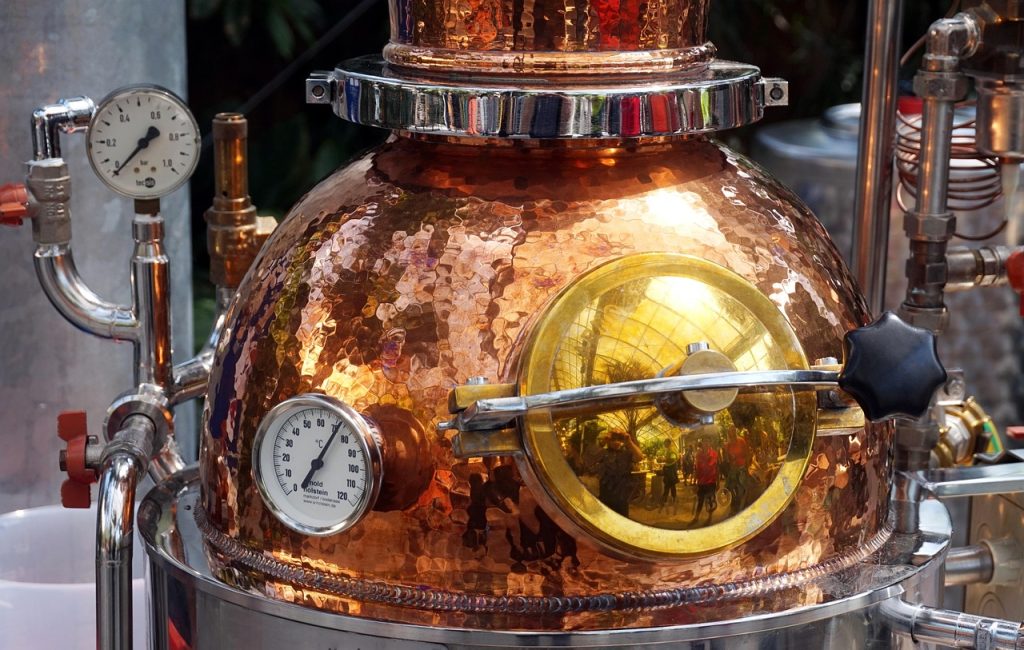
The process of distillation is fundamental to understanding what makes distilled water unique. When water is boiled, it turns into steam. During this transition, most of the impurities present in the water are left behind. The steam is then cooled down, reverting into liquid form. This condensed vapor, now free from most contaminants, is collected as distilled water. This method effectively removes a range of pollutants, including minerals, bacteria, and chemicals.
One key advantage of distilled water is its purity. This is especially important in situations where water quality is critical. For instance, in medical laboratories or pharmaceutical manufacturing, using distilled water is a standard requirement. This ensures that no external contaminants could interfere with sensitive tests or applications.
Key Stages of Water Distillation
- Boiling: Water reaches its boiling point, transforming into steam.
- Condensation: The steam cools and converts back into liquid, leaving impurities behind.
- Collection: The distilled water is collected in a separate container.
Health Benefits of Using Distilled Water
Drinking distilled water has several touted health benefits, primarily attributed to its lack of contaminants. For individuals concerned about the presence of chlorine, fluoride, and heavy metals often found in municipal water supplies, distilled water offers a safe alternative. It allows consumers to hydrate without unnecessary chemicals.
Moreover, some advocates of distilled water claim that it can aid in detoxification. By removing excess minerals and chemicals from the body, distilled water may help improve kidney function and promote overall health. A study suggested that individuals drinking distilled water reported feeling lighter and more energetic, potentially due to the absence of harmful substances in their system. However, while there are anecdotal benefits, it is important to approach such claims with caution and to consult medical advice before making significant changes to one’s water consumption habits.
Comparison with Other Types of Water
| Type of Water | Purity Level | Common Uses |
|---|---|---|
| Tap Water | Contains minerals and potential contaminants | Household use, cooking |
| Bottled Water | Varies by brand; can contain various minerals | Convenience, outdoor activities |
| Distilled Water | High purity, virtually free from impurities | Medical, laboratory, steam irons |
Common Uses of Distilled Water
The versatility of distilled water makes it an asset in numerous scenarios. Apart from its use in medical and laboratory settings, distilled water has several practical applications that can enhance efficiency and safety.
For instance, many people utilize distilled water in their household appliances, such as steam irons and humidifiers. The use of distilled water in these devices extends their lifespan by preventing mineral buildup, which can cause clogs and damage over time. In automotive contexts, distilled water is often recommended for topping off batteries, as it does not lead to corrosion.
Industrial and Agricultural Applications
In agriculture, distilled water is sometimes used for irrigation, especially in areas where the soil is affected by high mineral content. The use of pure water can help improve crop yield and quality. Additionally, distilled water is valuable in the manufacturing of electronic components, where purity is required to prevent circuit damage.
Environmental Considerations and Sustainability
While the benefits of distilled water are numerous, it is crucial to consider the environmental impact of its production and usage. The distillation process can be energy-intensive, often requiring significant amounts of electricity. This raises concerns over its sustainability when discussed in the context of widespread consumer adoption.
To mitigate these environmental impacts, increasing efficiency in production methods and promoting recycling of distilled water containers can play a significant role. Additionally, exploring solar distillation methods could lead to a more sustainable approach to producing distilled water.
For those seeking reliable access to high-quality distilled water for household, medical, or industrial needs, B.E. Products provides convenient solutions and products designed to meet strict purity standards while supporting practical everyday use.