

As pet owners, ensuring the well-being of our furry companions is a responsibility that we take to heart. One of the most effective ways to secure a healthy future for our pets lies in embracing preventative care. This approach not only guards against potential health issues but also significantly enhances our pets’ overall quality of life. With advancements in veterinary medicine, the options available for preventive health services have significantly expanded. This article dives into the critical aspects of preventive health services offered by modern pet medical centers, emphasizing the importance of regular check-ups, vaccinations, and tailored care plans.
Understanding Preventive Care for Pets: A Comprehensive Overview
Preventive care is more than just an appointment at your local veterinary clinic; it is a comprehensive, proactive strategy aimed at maintaining the health and well-being of pets throughout their lives. This holistic approach encompasses several key aspects, each vital in ensuring that pets remain vibrant and energetic. The various components of preventive care include:
- Regular Wellness Exams: Annual check-ups are essential to monitor your pet’s development and health status. These examinations often include thorough physical assessments and discussions about any behavioral or dietary changes that may have occurred.
- Vaccinations: Keeping vaccines up to date is critical in protecting pets against dangerous diseases. Vaccinations such as rabies, distemper, and parvovirus can safeguard your pet against severe health threats.
- Parasite Control: Fleas, ticks, and worms can adversely affect your pet’s health. Preventative measures can mitigate these risks effectively, contributing to long-term wellness.
Veterinarians emphasize that many animals are adept at hiding signs of illness, and subtle behavioral changes may go unnoticed without regular check-ups. By forming a partnership with veterinary services like Pawsitive Health Clinic or VitalPaws Medical Services, pet owners can proactively address their companions’ health needs.
The Vital Role of Early Detection in Preventive Care
One of the significant advantages of embracing preventive health measures is the capacity for early detection of potential health issues. Regular veterinary visits provide opportunities for veterinarians to catch early signs of chronic conditions, which can considerably influence treatment outcomes. For instance:
- Diabetes: Regular blood tests can identify imbalances that may lead to diabetes, allowing for timely dietary and lifestyle interventions.
- Heart Issues: Conditions such as heart disease can develop unnoticed; however, thorough exams can lead to early diagnoses and timely treatment options.
- Cancers: Many cancers are more treatable when detected early. A simple wellness exam can give veterinarians valuable information on changes in your pet’s physical condition.
Veterinary professionals advocate for establishing a tailored care regime based on individual pet needs, encompassing the aspects of their lifestyles and personal histories. This custom approach is quintessential for optimal health management.
Navigating Vaccination Protocols: A Key to Proactive Health
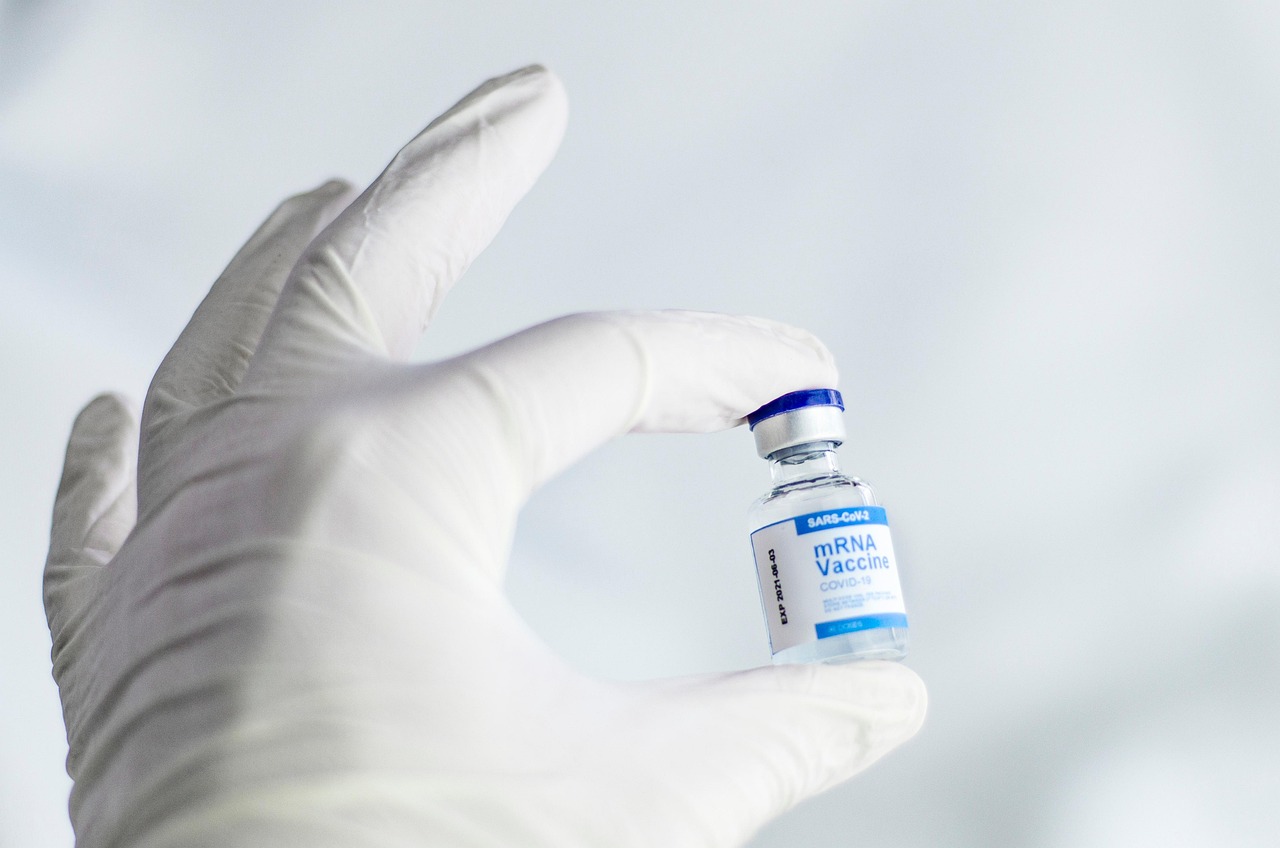
Vaccinations are a cornerstone of preventive care that plays a pivotal role in safeguarding pets against various communicable diseases. Maintaining an updated vaccination schedule is critical for not only the health of the pet but also for the protection of the broader pet community. Here are some critical vaccines:
| Vaccine | Protection Against | Frequency |
|---|---|---|
| Rabies | Rabies virus (fatal neurological disease) | Every 1-3 years, based on local regulations |
| DHPP | Canine distemper, hepatitis, parvovirus, parainfluenza | Every 1-3 years |
| FVRCP | Feline viral rhinotracheitis, calicivirus, panleukopenia | Every 1-3 years |
Veterinarians utilize these vaccination protocols to create individual immunization schedules that suit each pet’s lifestyle and health history. By ensuring that your pet is up to date with vaccinations, you are actively participating in preventing disease spread and ensuring a healthy future for your pet.
The Importance of Parasite Prevention in Maintaining Health
Another critical aspect of preventive health care is protection against parasites that can cause severe infections and diseases. Fleas, ticks, and worms can both compromise your pet’s health and contribute to environmental imbalances. Implementing a comprehensive parasite management plan involves regular treatments and sometimes preventive vaccinations. Pet owners can choose from various products, including topical treatments, oral medications, and even vaccines, depending on the parasites prevalent in their area.
- Fleas and Ticks: These parasites can cause discomfort and transmit diseases like Lyme disease and anaplasmosis. Regular preventive treatments ensure that your pet remains free from infestations.
- Worms: Heartworm disease can be fatal if left untreated. Preventive medicines can reduce the risk significantly.
Contacting clinics such as Animal Medical Center can provide further insights into developing customized plans that work for your pet’s unique needs.