
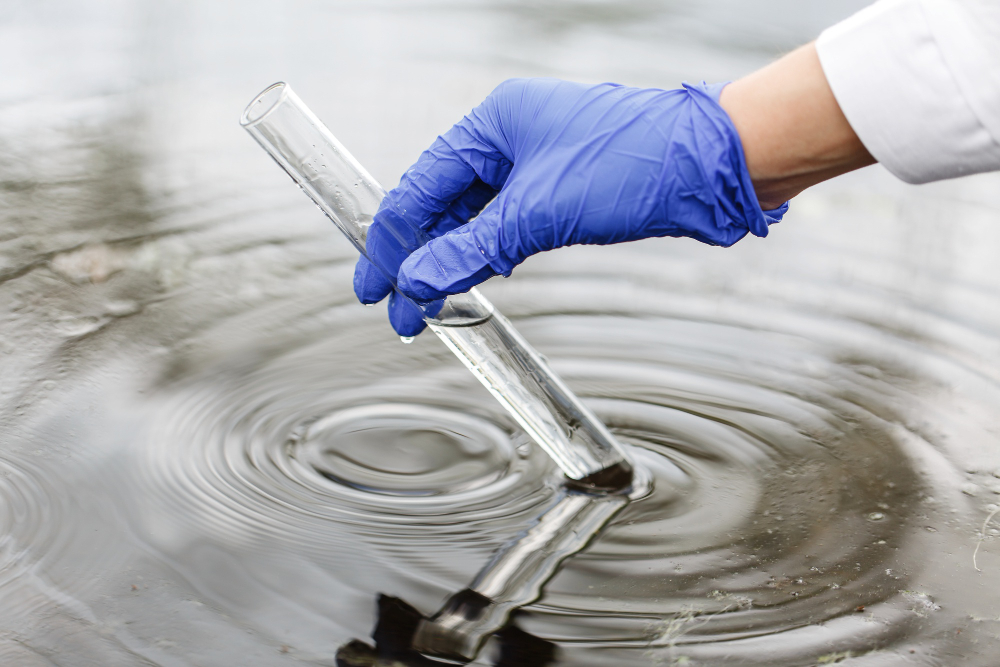
Demineralization is a water purification process designed to eliminate dissolved minerals and salts. The core methods involve ion exchange, where ions in the water are replaced with hydrogen and hydroxide ions, and other advanced techniques like reverse osmosis and electro deionization. These processes yield water that is significantly purer than standard tap water, making it essential for various industrial applications.
Demineralised Water
The journey begins with raw water sourced from lakes, rivers, or wells. Such water often contains a mix of impurities that can lead to problems in industrial environments. Here’s how the demineralization process typically unfolds:
- Raw Water Intake: Water is collected from natural sources, containing dissolved minerals.
- Pretreatment: This step involves removing larger impurities like suspended solids, organic matter, and pathogens through sedimentation, filtration, and disinfection processes.
- Ion Exchange: The heart of demineralization, ion exchange employs resins to swap harmful ions such as calcium and magnesium with hydrogen ions.
- Regeneration: After extended use, the resin needs regeneration using concentrated chemical solutions, restoring its capacity to purify water.
- Polishing: For ultra-pure requirements, additional processes such as ultrafiltration or reverse osmosis are utilized to remove the last traces of contaminants.
- Storage and Distribution: Finally, treated demineralized water is stored and distributed for use in various applications.
Key Benefits of Using Demineralized Water in Industrial Cleaning
The employment of demineralized water in industrial cleaning processes offers several advantages:
- Prevention of Scale and Corrosion: Demineralized water is devoid of scaling compounds. It prevents corrosion in metal surfaces and extends the lifespan of cleaning equipment.
- Enhanced Cleaning Efficiency: Its purity means no residues are left on cleaned surfaces, resulting in higher cleanliness levels.
- Better Chemical Interactions: Demineralized water ensures that the intended cleaning chemicals work effectively without interference from dissolved minerals.
- Consistency in Results: Industries can expect uniform results, critical for maintaining product quality and compliance with industry standards.
Comparative Analysis
| Type of Water | Purity Level | Common Applications | Drawbacks |
|---|---|---|---|
| Tap Water | Low | General Cleaning | Contains minerals, risks of corrosion and residue |
| Demineralized Water | High | Laboratories, Automotive, Electronics | Not suitable for direct human consumption |
| Distilled Water | High | Pharmaceuticals, Food Processing | High energy consumption and cost of production |
Exploring Industrial Applications of Demineralized Water
Demineralized water has a vast range of applications across several industries, each taking advantage of its high purity to enhance processes and reduce risks associated with contamination.
1. Laboratory and Research Facilities
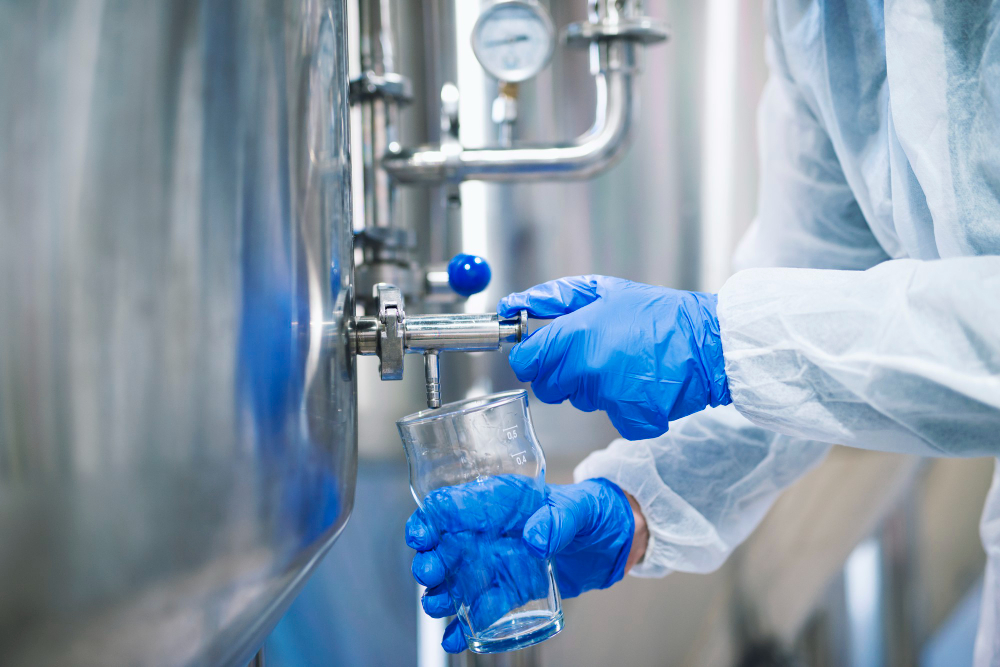
In laboratories, the necessity for high-purity water cannot be overstated. Demineralized water is utilized in various procedures ranging from analytical testing to reagent preparation. Regular tap water can interfere with sensitive experiments, leading to erroneous results. Using demineralized water ensures:
- Precision in Experiments: The absence of dissolved minerals prevents reactions that could skew results.
- Increased Equipment Longevity: Lab equipment, such as autoclaves, often suffers from scaling due to mineral content, but demineralized water mitigates this risk.
- Enhanced Sterility: By reducing contamination sources, demineralized water assures a sterile environment crucial for many laboratory applications.
2. Automotive Industry
The automotive industry frequently employs demineralized water for numerous applications, including:
- Cooling Systems: Using demineralized water in radiator systems prevents deposits that could impair efficiency.
- Battery Maintenance: Many automotive batteries require pure water to function optimally and prolong their life.
- Windscreen Washer Fluids: The purity of demineralized water prevents streaks, ensuring maximum visibility for drivers.
| Application | Benefits |
|---|---|
| Cooling Systems | Prevents scaling and corrosion |
| Battery Maintenance | Enhances performance and longevity |
| Windscreen Washer | Ensures clear visibility |
3. Pharmaceutical Industry
In pharmaceutical manufacturing, the demand for pure water is exceptionally high. Demineralized water is often utilized for:
- Formulation of Injectable Medications: Pure water is necessary to avoid contamination of active ingredients.
- Equipment Cleaning: Cleaning instruments using demineralized water ensures no residues that might affect the efficacy of compounds.
- Production of Vaccines: The creation of vaccines demands ultra-pure water to safeguard against microbial interference.
4. Electronics and Semiconductor Manufacturing
In the electronics sector, especially during the manufacturing of microchips, the need for demineralized water is critical. Dust and impurities on silicon wafers can lead to significant defects. Demineralized water is employed for:
- Circuit Board Cleaning: It’s used to remove harmful residues without affecting electronic components.
- Final Rinsing: Before packaging, components are rinsed with demineralized water to ensure cleanliness.
| Industry | Application | Significance |
|---|---|---|
| Laboratories | Analytical testing | Assures data accuracy |
| Automotive | Cooling systems | Prevents corrosion |
| Pharmaceuticals | Formulation | Protects medication integrity |
| Electronics | Circuit board cleaning | Prevents defects |
In conclusion, demineralized water’s role in industrial cleaning is integral and continues to expand. It addresses essential needs for purity and performance across various sectors. As technology evolves, so too will the methods of obtaining and utilizing this valuable resource, ensuring industry standards remain high and in line with modern practices.
Ensuring industry standards remain high and in line with modern practices—trust B.E. Products, specialists in demineralised water engineered for precision in critical applications.