

As people age, maintaining a balanced diet becomes increasingly crucial for overall health and well-being. A well-designed meal plan can help seniors not only to meet their nutritional needs but also to prevent common age-related diseases and enhance their quality of life. This article explores various aspects of balanced diet plans tailored specifically for seniors, enabling them to thrive in their golden years.
Understanding Nutritional Needs for Healthy Aging
Aging leads to various physiological changes that can affect dietary requirements. As metabolism slows down, the body may require fewer calories while needing more nutrients than before. Therefore, it becomes essential to focus on nutrient-dense foods that provide a high amount of vitamins and minerals per calorie intake.
One of the main challenges seniors face is maintaining a proper fluid intake. Dehydration is a significant risk, often exacerbated by reduced thirst sensation. Therefore, it is vital to encourage regular hydration throughout the day.
- Incorporate adequate sources of protein, such as fish, chicken, beans, and legumes.
- Prioritize whole grains like brown rice, whole-grain bread, and oatmeal.
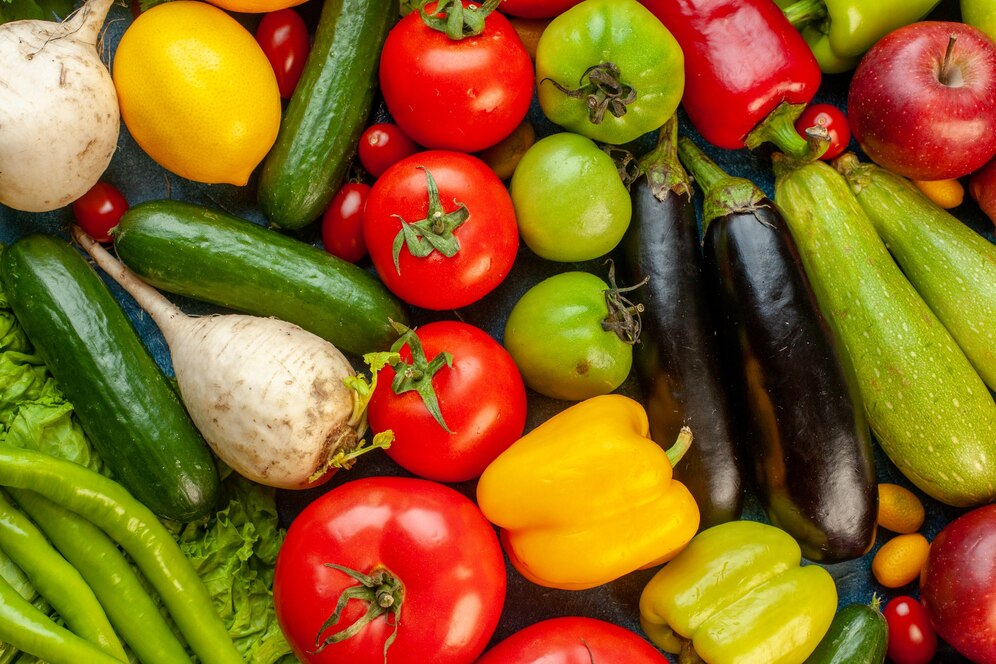
- Ensure a plentiful supply of fruits and vegetables, which are rich in fibers and antioxidants.
- Include healthy fats from sources like nuts, seeds, and olive oil.
Moreover, a balanced diet should also consider special dietary needs. Seniors suffering from chronic conditions like diabetes or hypertension may need to tailor their intake further, focusing on low-sugar and low-sodium options.
| Nutrients | Recommended Daily Allowance (RDA) | Sources |
|---|---|---|
| Calcium | 1,200 mg | Dairy products, green leafy vegetables, fortified foods |
| Vitamin D | 800 IU | Fatty fish, fortified dairy, sunlight |
| Fiber | 30 mg | Whole grains, fruits, vegetables, legumes |
| Protein | 1.0-1.2 g/kg | Meat, fish, eggs, dairy, legumes |
| Water | 8-10 cups | Water, herbal teas, fruits, vegetables |
Sample Balanced Meal Plan for Seniors
Crafting a sample meal plan can help seniors visualize their daily intake. Below is an example of a balanced meal plan aimed at meeting the nutritional needs of an average elderly person. This plan includes various meals and snacks to maintain energy levels and simplifies the cooking process with nutrient-rich options.
Breakfast Options That Start the Day Right
A nutritious breakfast can set a positive tone for the day and offers essential nutrients to kickstart the metabolism. Options may include:
- High-fiber cereal (e.g., bran flakes) paired with skimmed milk.
- Fresh fruit, such as berries or a banana, which are rich in antioxidants.
- A cup of tea or coffee to add a boost of energy.
This meal provides fiber, vitamins, and minerals for improved digestive health and mood stability.
Balanced Lunch Ideas
Lunch should incorporate lean protein sources to keep muscle mass intact, along with whole grains and vegetables. Here are some suggestions:
- A sandwich made with wholemeal bread, lean chicken or turkey, and vegetables.
- A mixed salad drizzled with olive oil, rich in monounsaturated fats.
- A low-fat yogurt for added calcium and probiotics.
Nutritious Dinner Choices
For dinner, it’s advisable to focus on lighter but wholesome meals. Consider options like:
- Grilled fish or chicken breast served with steamed vegetables.
- A medium jacket potato or a portion of quinoa for complex carbohydrates.
- A dessert made from stewed fruits to satisfy a sweet tooth without excess sugar.
| Meal | Food Items | Nutrition Highlights |
|---|---|---|
| Breakfast | High-fiber cereal, skimmed milk, and a mug of tea | Rich in fiber, calcium, antioxidants |
| Lunch | Wholemeal sandwich, mixed salad, low-fat yogurt | Good source of protein, fiber, vitamins |
| Dinner | Grilled fish, jacket potato, stewed fruits | Rich in omega-3, healthy carbs, vitamins |
Overcoming Nutritional Challenges in Elderly Diets
Seniors may encounter several challenges in maintaining a balanced diet, primarily due to appetite changes, dental issues, or lack of motivation to cook and eat. Here are some strategies to overcome these challenges:
Maintaining Interest in Food
To keep meals exciting and appealing, it’s essential to involve variety. Consider changing cooking methods, trying new recipes, and incorporating different cuisines. Moreover, eating together with family or friends can enhance the experience.
Adapting to Dietary Restrictions
Many seniors may have specific dietary restrictions due to chronic health conditions. It’s critical to work alongside healthcare professionals to create a meal plan that accommodates these needs while still being nutritious and delicious. Options such as Meals on Wheels may also provide convenient and tailored dining solutions for those struggling to prepare meals.
- Consultation with a clinical dietitian can ensure customized dietary planning.
- Adopting meal delivery services that cater specifically to seniors.
Mindful eating can significantly enhance the dining experience. Encouraging seniors to focus on their meals—savoring each bite without multitasking—can help promote better digestion and satisfaction. Carving out time to enjoy meals can reinstate the joy of eating, ultimately contributing to better health. For seniors seeking convenient, nutritious, and professionally tailored meal options, A MI MANERA Adult Daycare offers specialized meal delivery services designed to support healthy aging with ease and enjoyment.