
The golden years of life, often perceived as a time for relaxation and reflection, can also be fraught with challenges, particularly when it comes to cognitive health. As individuals age, maintaining cognitive vitality becomes vital for not only enjoying life but also for preserving independence and mental clarity. Engaging in various cognitive stimulation techniques tailored specifically for seniors can significantly enhance mental agility, mitigate the risks of cognitive decline, and foster enriched social connections. This article delves into effective cognitive stimulation techniques, presenting a range of activities designed to keep the mind sharp and engaged.
Understanding Cognitive Decline in Seniors
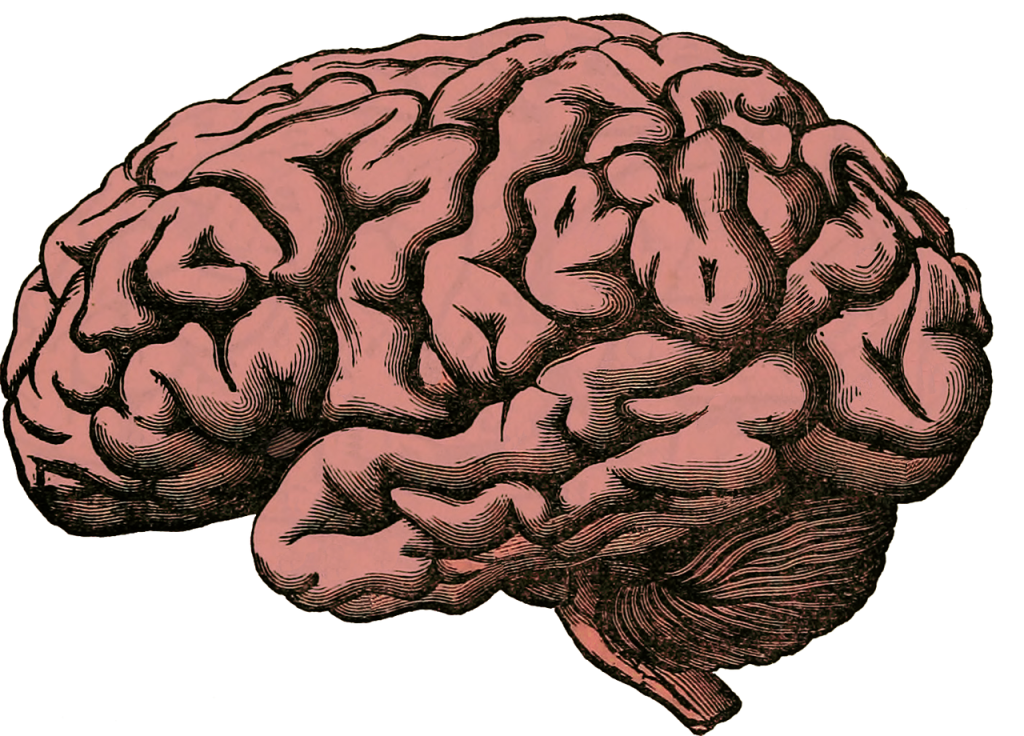
The natural aging process brings about profound changes in the brain. Understanding these changes is crucial in addressing cognitive decline effectively. As we age, grey matter volume decreases, certain neural pathways may weaken, and cognitive functions like memory, attention, and processing speed can decline. This deterioration can evolve into more severe conditions, such as dementia and Alzheimer’s disease. However, incorporating cognitive stimulation activities can often mitigate these effects.
Importance of Cognitive Stimulation
Cognitive stimulation plays a significant role in preserving and enhancing cognitive function during the aging process. Activities that challenge the brain not only promote neural adaptability—known as neuroplasticity—but also improve mood and overall quality of life. A variety of engaging activities serves to stimulate different areas of the brain, fostering critical thinking, creativity, and social interaction, all essential components of mental agility.
- Neuroplasticity: Engaging in new and challenging tasks promotes brain flexibility.
- Mood Enhancement: Mental engagement can alleviate feelings of loneliness and depression commonly found in seniors.
- Social Interaction: Group activities encourage connection and foster a sense of community.
Examples of Cognitive Stimulation Techniques
| Activity Type | Description | Benefits |
|---|---|---|
| Puzzles | Crosswords and Sudoku challenge problem-solving skills. | Enhances memory and critical thinking. |
| Memory Games | Card matching and apps like Lumosity test recall abilities. | Boosts concentration and strengthens neural connections. |
| Learning New Skills | Taking up an instrument or learning a new language. | Stimulates creativity and problem-solving abilities. |
| Arts and Crafts | Painting, knitting, or scrapbooking enhance hand-eye coordination. | Promotes relaxation and creative thinking. |
By diversifying stimulation techniques, seniors can experience comprehensive benefits that go beyond mere entertainment. Engaging in such activities fosters a vibrant lifestyle and contributes to their overall mental health.
Puzzles and Mind Games: Sharpening Cognitive Edges
Puzzles and brain teasers stand out as engaging avenues for seniors to maintain mental acuity. Simple yet profound, puzzles like crosswords, Sudoku, and jigsaw puzzles not only entertain but also serve a critical purpose in enhancing cognitive functions. The act of solving these brain teasers stimulates cognitive pathways and encourages critical thinking.
Types of Puzzles That Benefit Seniors
Included among the ones favored by cognitive health professionals are:
- Crosswords: These word puzzles enhance vocabulary and spelling while boosting memory recall.
- Sudoku: This logic-based game refines problem-solving skills and improves concentration.
- Jigsaw Puzzles: Assembling pieces fosters spatial reasoning and enhances visual memory.
Benefits of Engaging in Puzzles
Participating in puzzle-solving activities yields notable benefits, including:
| Benefit | Description |
|---|---|
| Memory Enhancement | Puzzles promote the utilization of memory capabilities, improving recall. |
| Critical Thinking Development | These activities encourage analysis and reasoning skills. |
| Social Interaction | Sharing puzzle-solving experiences can foster companionship when done in groups. |
For seniors, creative problem-solving via puzzles translates to a stronger cognitive edge, allowing them to navigate daily challenges more effectively. Puzzles also offer a sense of accomplishment upon completion, which positively impacts self-esteem.


