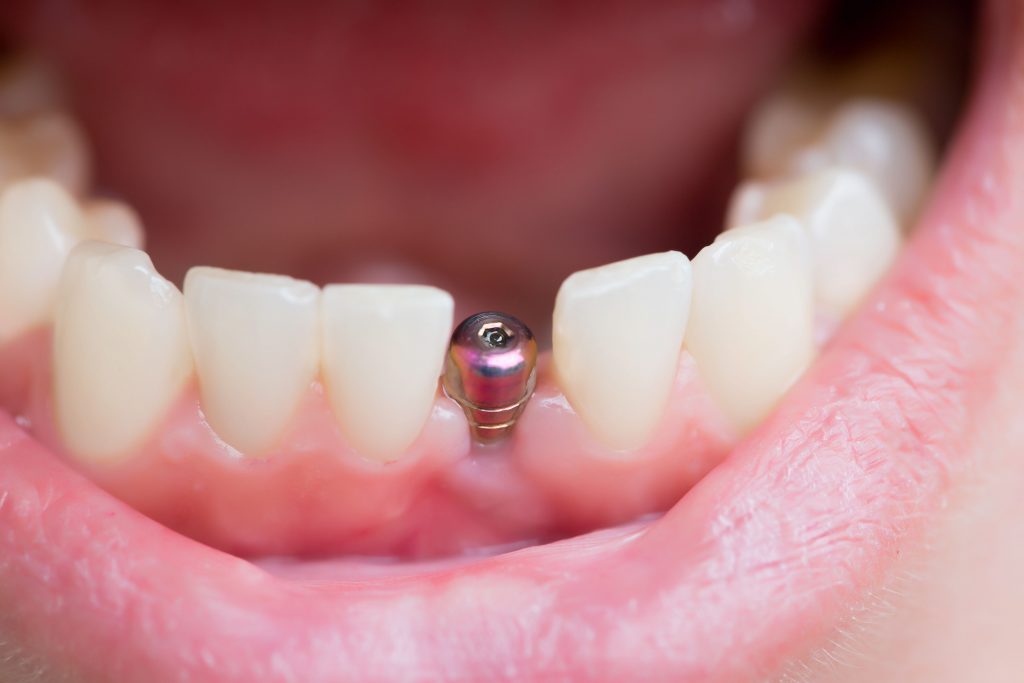

Facing an unexpected emergency toothache can be a daunting experience, often leading individuals to feel overwhelmed and unsure about what steps to take. The knowledge of how to address severe tooth pain, the procedural expectations, and the necessary preparations for oral surgery can significantly influence the outcome of such emergencies. Understanding the nature of these dental crises can empower patients to seek appropriate care promptly and effectively. This article aims to demystify the intricacies of dental emergencies and provide insights that can help patients navigate the turbulent waters of tooth pain, emergency treatments, and post-surgical care.
Understanding Emergency Toothache and When to Seek Help
An emergency toothache typically signals a serious issue requiring immediate attention. Common causes include tooth decay, infections, or dental trauma. Recognizing when a toothache has escalated to an emergency can be pivotal. Symptoms like persistent, severe pain, swelling, and fever should not be ignored. These could indicate a dental infection, abscess, or other serious complications.
Additionally, some conditions may be life-threatening if not treated right away. For instance, dental infections can spread rapidly, leading to systemic health problems. In 2026, the prevalence of dental emergencies remains high, underscoring the importance of understanding these urgent situations.
Some indicated scenarios include:
- Severe Tooth Infections: Often characterized by acute pain and swelling, they may require drainage or immediate therapeutic interventions.
- Traumatic Injuries: Fractured or knocked-out teeth demand swift action, often requiring surgical procedures to save the tooth.
- Uncontrolled Bleeding: Injuries that lead to excessive bleeding necessitate emergency care to prevent serious complications.
Recognizing these signs and symptoms can greatly benefit patients, enabling them to make informed decisions about their dental health and when to consult a professional.
Processes and Procedures in Emergency Oral Surgery
Emergency oral surgery is a specialized field that addresses urgent dental issues requiring immediate treatment. This can range from tooth extractions to managing complex traumatic injuries. At the forefront of this practice are oral surgeons who hold extensive training to perform surgical procedures under pressure. Their ability to swiftly diagnose and treat dental emergencies can significantly affect patient outcomes.
The process usually begins with a thorough assessment of the patient’s condition upon arrival. Oral surgeons rapidly evaluate the extent of the dental issue and develop an immediate treatment plan. The characteristics of perfoming oral surgery involve several key procedural elements: recognition of the urgency, swift diagnosis, and implementation of pain management strategies.
Common procedures in emergency dental surgery include:
- Tooth Extractions: Particularly necessary for severely decayed or infected teeth that cannot be saved.
- Incision and Drainage: A procedure to relieve pressure and pain caused by an abscess.
- Re-implantation of Knocked-Out Teeth: Prompt action can save a tooth that has been dislodged due to trauma.
Understanding these components not only prepares patients mentally for the surgery but also sets realistic expectations for them during what can be a stressful time. For additional insights on oral surgery processes and procedures, check out this comprehensive guide: Understanding Emergency Dental Procedures.
Preoperative and Postoperative Care: Preparing for Surgery
Proper surgical preparation plays a crucial role in ensuring the success of emergency dental surgeries. Patients should not only understand the expected interventions but also prepare adequately before the surgery. This involves following specific guidelines, such as:
- Avoiding Food and Drink: Patients are advised not to consume food or beverages for at least six hours prior to surgery to minimize the risk of complications under anesthesia.
- Managing Pain and Discomfort: Before arriving at the dental office, utilizing ice packs can help control swelling and pain.
- Maintaining Oral Hygiene: Gently rinsing the mouth with warm salt water can help keep the surgical area clean.
Post-operative care is equally important. This phase involves adhering strictly to the dentist’s guidance on pain management, including the use of prescribed medications. Patients are encouraged to maintain a diet that consists of soft foods initially, gradually transitioning back to regular diets as healing progresses.
Furthermore, recognizing warning signs of complications is critical. Symptoms such as excessive swelling, persistent pain, or signs of a dental infection are signals to contact the dentist immediately. Implementing these preventive measures can significantly improve recovery outcomes and health post-surgery. Their experienced team is equipped to handle urgent cases efficiently, helping patients receive timely treatment and avoid serious complications. Learn more by visiting Company Altona Meadows Dental Clinic for immediate assistance.