
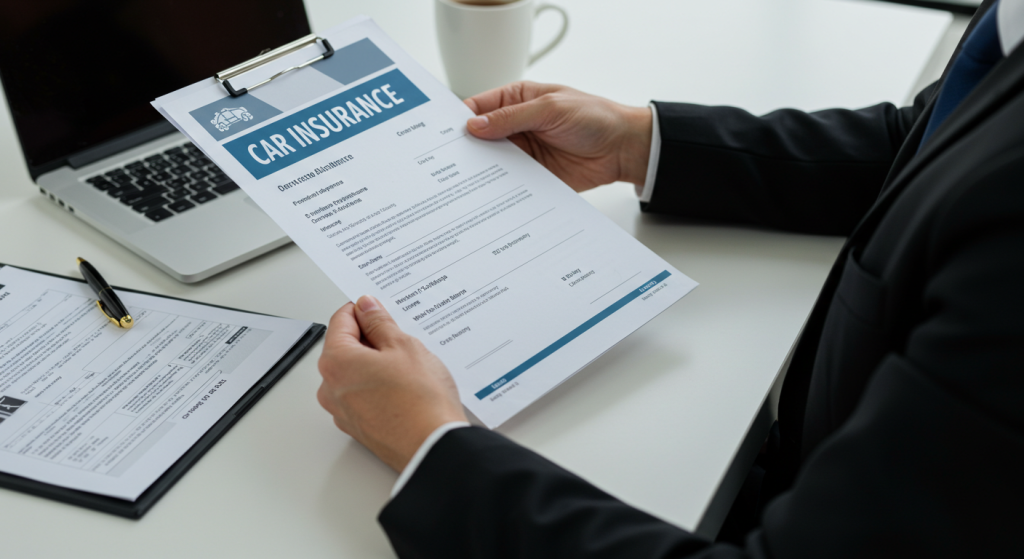
A penny saved is a penny earned. For small business owners juggling numerous responsibilities, finding ways to cut costs without sacrificing essential coverage is vital, particularly when it comes to car insurance. Commercial auto insurance is not just an operational necessity for many businesses; it is a legal requirement in various jurisdictions. Understanding how to optimize your insurance costs will give you a competitive advantage, enhancing financial health and ensuring legal compliance.
Understanding the Basics of Commercial Auto Insurance
Commercial auto insurance provides coverage for vehicles used for business purposes. Unlike personal auto insurance, which primarily protects personal vehicles, commercial policies encompass a broader range of situations and offer specialized coverage tailored to business needs. Depending on the nature of the business, the insurance options can vary widely. Understanding these nuances is essential for selecting a policy that meets your specific requirements.
Types of Coverage Offered
Commercial auto insurance typically includes various coverage types, each addressing specific risks associated with business operations. Here are some commonly included options:
- Liability Coverage: Covers bodily injury and property damage to others if you or an employee is at fault in an accident.
- Physical Damage Coverage: Protects against damage to the insured vehicle from crashes, vandalism, or theft.
- Medical Payments: Pays for medical expenses incurred by the driver and passengers in the event of an accident.
- Uninsured/Underinsured Motorist Coverage: Protects against accidents involving a driver who lacks adequate insurance coverage.
- Comprehensive Coverage: Offers protection against non-collision-related incidents such as theft, fire, and natural disasters.
Why Businesses Need Commercial Auto Insurance
Failing to secure the right auto insurance can expose businesses to a multitude of risks. Legal factors often dictate that companies must carry specific types or levels of insurance. For example, construction companies frequently utilize commercial vehicles and are consequently subject to stringent regulations regarding insurance coverage.
The industry in which your business operates can significantly affect your insurance needs. Businesses involving transportation or logistics will likely require more comprehensive coverage than those doing light office work. Additionally, consider the assets at stake; valuable goods transported by company vehicles are susceptible to potential loss without adequate coverage.
| Coverage Type | Description | Importance |
|---|---|---|
| Liability Coverage | Covers damages to others when the insured is at fault. | Essential for legal compliance and financial protection. |
| Physical Damage | Covers repair costs for insured vehicles. | Protects business assets from financial loss. |
| Medical Payments | Pays for medical expenses after an accident. | Ensures quick medical response and financial support. |
| Uninsured Motorist | Covers expenses incurred from accidents with uninsured drivers. | Prevents unexpected financial burdens. |
| Comprehensive | Protects against non-collision incidents. | Broadens coverage for various potential risks. |
Cost-Saving Strategies for Car Insurance
As a small business owner, maintaining a careful eye on expenses is critical for sustainable success. Fortunately, there are multiple strategies you can employ to save money on car insurance without sacrificing necessary coverage. Implementing these tips can lead to substantial savings.
1. Evaluate Quotes from Multiple Insurers
The differences in quotes can be vast across various insurers due to their individual underwriting criteria and risk assessments. By obtaining multiple quotes, a business owner can identify significant saving opportunities. It’s essential to not only consider the premium price but also the carrier’s financial stability and customer service reputation.
It may also be worthwhile to work with an independent insurance agent who can help analyze the quotes, ensuring that they provide comparable coverage options.
2. Bundle Coverage Policies
Many insurance providers offer discounts when you bundle multiple policies under a single carrier. For instance, a Business Owner’s Policy (BOP) may combine general liability and commercial auto coverage, often yielding a lower premium than purchasing each separately. However, be cautious to read the fine print and understand the extent of coverage to ensure it aligns with your business’s needs.
3. Opt for a Higher Deductible
Choosing a higher deductible can lower your premium by reducing the insurer’s risk. This means that while you might pay more out-of-pocket in the event of a claim, you could enjoy significant savings on your monthly or annual premiums. Be cautious, however; the deductible should be manageable based on your business’s cash flow.
Smart financial decisions are the backbone of a successful small business, and choosing the right commercial auto insurance is one of them. By understanding your coverage needs and leveraging cost-saving strategies—such as comparing quotes, bundling policies, and adjusting deductibles—you can protect your business assets without overspending. Don’t let inadequate coverage become a liability.
Ready to secure the right protection for your business vehicles? Visit Top Coverage to get a tailored quote and discover how much your business could save today.