
Prescription eyeglasses rely on more than the numbers printed on a prescription. Pupillary distance and lens base curve influence where each lens sits, how it directs light, and how comfortably the frame rests. These optical measurements connect the wearer’s eyes with the lenses and frame, shaping both clear vision and everyday fit.
Even an accurate prescription can feel wrong when the optical centres sit away from the pupils. A frame’s curve can also affect lens position, peripheral vision, and the way the glasses sit against the face. Understanding these relationships helps explain why lens fitting requires more than selecting a prescription and frame that look appealing.
Pupillary distance and optical alignment
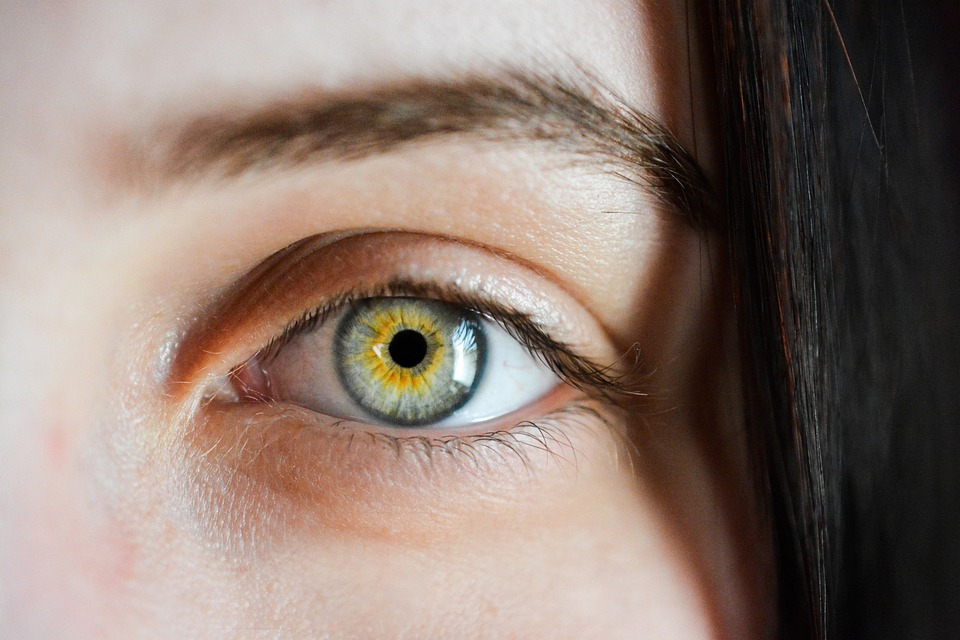
Pupillary distance, often shortened to PD, measures the distance between the centres of the pupils. A single measurement records both eyes together, while monocular measurements record each pupil’s distance from the centre of the nose.
Lens laboratories use these values to position the optical centres in front of the eyes. When the centres do not align with the pupils, the wearer may experience eyestrain, headaches, blur, or difficulty adapting. The effect depends on the prescription, lens design, and amount of misalignment.
Pupillary distance in prescription eyeglasses
Accurate PD helps each lens deliver its intended correction through the appropriate viewing area. Monocular measurements can help account for natural facial asymmetry, which a single combined figure may not show. Progressive lenses also require careful placement because their distance, intermediate, and near zones occupy different areas.
Measurements should match the chosen frame and its position on the face. A frame that sits too low, too high, or unevenly can shift the pupils away from the intended lens areas. Thus, optical alignment depends on both reliable measurements and a secure, suitable fit.
Lens base curve and lens fitting
Lens base curve describes the front curvature of a lens, typically expressed through its surface shape. It affects how the lens follows the frame and face, although lens design and prescription also influence the final form.
A well-matched curve can support a natural fit and maintain appropriate lens position. A mismatch may cause unwanted reflections, pressure points, or changes in peripheral viewing. However, base curve alone does not determine comfort or image quality; the optician evaluates several fitting factors together.
Frame selection and lens curvature
Frames differ in curvature, width, tilt, and distance from the eyes. Highly wrapped frames may require lens designs that account for their angle, while flatter frames can suit other prescriptions and lens constructions. The laboratory follows the frame and prescription specifications rather than applying one curve to every wearer.
For stronger prescriptions, frame size and shape can influence lens thickness and appearance. A well-chosen frame may keep the lenses closer to the eyes and reduce unnecessary edge thickness. The final choice balances optical needs, facial fit, lens design, and personal preference.

Optical measurements working together
PD and base curve address different parts of lens performance. PD guides horizontal centring, while curvature helps match the lens to the frame and wearing position. Lens fitting brings these details together with prescription power, frame tilt, and vertex distance.
The following comparison shows how each factor contributes to a practical fitting decision.
| Measurement | What it guides | Why it matters |
|---|---|---|
| Pupillary distance | Lens centre placement | Supports optical alignment |
| Lens base curve | Lens and frame curvature | Helps maintain fit and viewing quality |
| Frame position | Lens height and distance | Connects measurements with actual wear |
Before ordering, it helps to confirm several details with an optical professional:
- Check whether the prescription includes monocular PD values.
- Ensure the selected frame fits securely and sits evenly.
- Ask how lens design suits the frame’s curvature and prescription.
- Request adjustments if discomfort or persistent blur occurs.
Visual comfort and prescription accuracy
Good vision depends on more than a correct prescription. Accurate optical measurements help place the lenses where the eyes can use them as intended, while suitable curvature supports stable positioning.
Persistent discomfort, distortion, or difficulty adapting deserves professional attention. An optician can check the frame, centring, and lens specifications, then recommend appropriate adjustments. A qualified eye care professional can also review vision concerns and advise on prescription eyeglasses suited to individual needs.