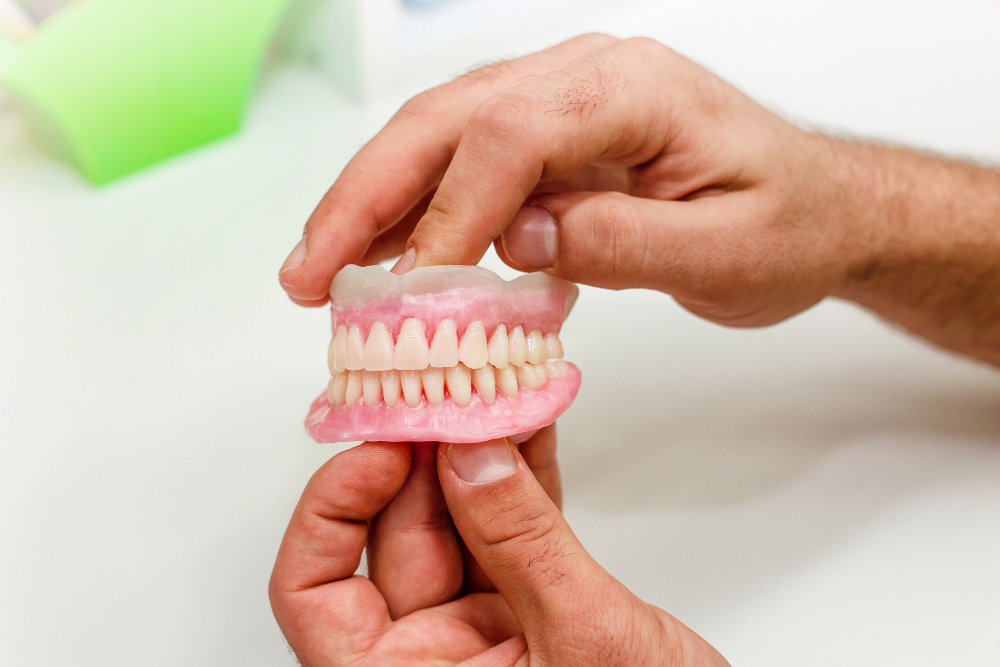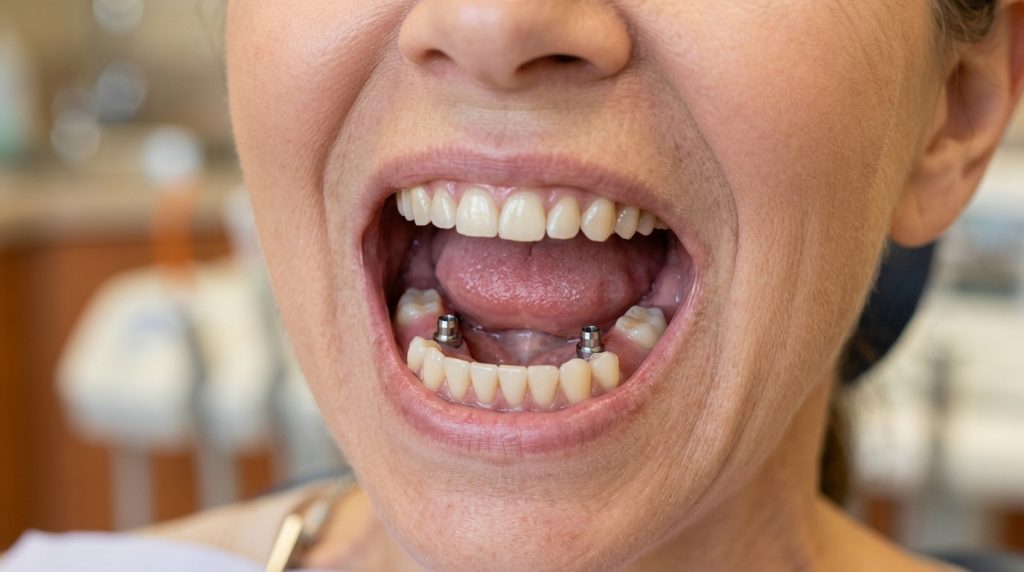
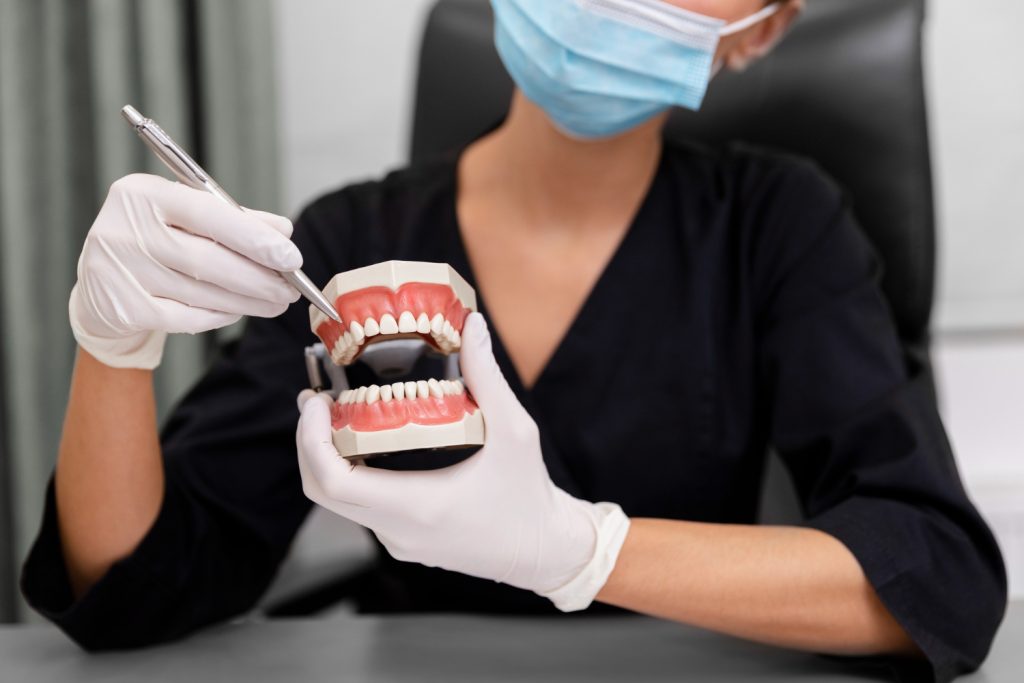
The quest for perfect dental aesthetics and oral functionality often culminates in the adoption of full dentures. However, many users experience issues related to dentures fit, with slippage being a primary concern. With the right knowledge, not only can these issues be better understood, but solutions can also be implemented to enhance the overall denture experience. Understanding the roots of these fit challenges and utilizing appropriate methods can greatly enhance both comfort and confidence for wearers.
Understanding Dentures Slippage: Causes and Consequences
When one considers the function of full dentures, it’s clear that a secure fit is crucial. Slippage can occur for various reasons. Here are some common causes:
- Bone Resorption: Over time, the jawbone can shrink. This process, called bone resorption, can change the shape of the jaw, leading to ill-fitting dentures.
- Poor Mouth Hygiene: Insufficient hygiene practices can lead to inflammation and acute discomfort, which may affect the fit and stability of dentures.
- Weight Fluctuations: Significant changes in body weight can alter facial structures, making previously well-fitting dentures loose.
These causes, while diverse, share a common thread: they can significantly affect the user’s confidence and comfort. An ill-fitting denture can lead to painful sores, difficulty eating, and even challenges in speaking. Understanding these root causes is vital to uncovering practical solutions.
Common Causes of Denture Slippage
The primary causes that lead to slippage can be delved into further with specific examples:
- Inadequate Initial Fitting: If the initial fitting of the dentures isn’t done meticulously, they are prone to slippage. Skilled dental professionals must tailor dentures to every individual’s unique mouth shape.
- Changes in Gums: As individuals age, gum tissue changes and loses elasticity. This makes a previously comfortable denture less stable.
- Denture Material: The material used in denture creation can also impact their fit and stability. Some materials are more prone to adaptation over time.
Identifying the cause of slippage is pivotal in addressing the issue effectively. Regular consultations with dental professionals can ensure timely interventions.
Solutions for Denture Slippage: Practical Tips and Techniques
To combat the pervasive issue of denture slippage, several solutions can be employed. While some might require professional intervention, others can be easily incorporated into daily routines. Here are strategies that can be applied:
- Denture Adhesives: A robust way to mitigate slippage is through the regular use of denture adhesives. These products are designed to provide a strong hold throughout daily activities.
- Denture Adjustments: Regular adjustments made by dental professionals can ensure that any changes in gum or bone structure are accounted for.
- Denture Relining: Over time, a denture may need to be relined to maintain a snug fit. This process involves applying a new layer to the inside of the denture.
Choosing appropriate methods depends on specific circumstances, and sometimes a combination of strategies may be the best route. For effective use of adhesives, it’s crucial to follow the manufacturer’s instructions closely.
Maintaining Oral Hygiene for Improved Fit
Another critical aspect of ensuring long-term stability and comfort with dentures is maintaining oral hygiene. A clean mouth helps prevent issues that could affect denture fit. Here are steps to ensure proper care:
- Daily Cleaning: Use a soft-bristled brush specifically designed for dentures to clean them daily, removing any food particles and plaque buildup.
- Soaking Solutions: Consider using soaking solutions to keep dentures clean and odor-free.
- Regular Dental Visits: Schedule routine check-ups with dental professionals for thorough cleaning and adjustments as necessary.
Good oral hygiene practices nourish gums and tissues, which can directly impact denture fit over time.
Exploring Innovations in Denture Technology
Advancements in dental technology have transformed the way dentures are crafted and fitted. Understanding these innovations can assist users in addressing issues related to fit. Recent developments include:
- 3D Printing: This technology allows for precise customization, enabling a perfect fit that accommodates the unique contours of a patient’s mouth.
- Biocompatible Materials: New materials offered in denture manufacturing are designed to promote long-term comfort and fit while being gentle on the gums.
- Feedback Systems: Some systems allow users to input changes in fit, helping dental professionals provide timely adjustments that meet evolving needs.
By staying informed about these innovations, denture users can work more effectively with their dental care teams to ensure their prosthetics perform optimally.
The road to optimal denture fit isn’t just about immediate solutions; it is an ongoing journey that blends knowledge, maintenance, and effective communication with dental professionals. For further reading on how to enhance your experience with full dentures, consider exploring resources that provide insights into comprehensive dental care practices, like Smile Express Denture Clinic.