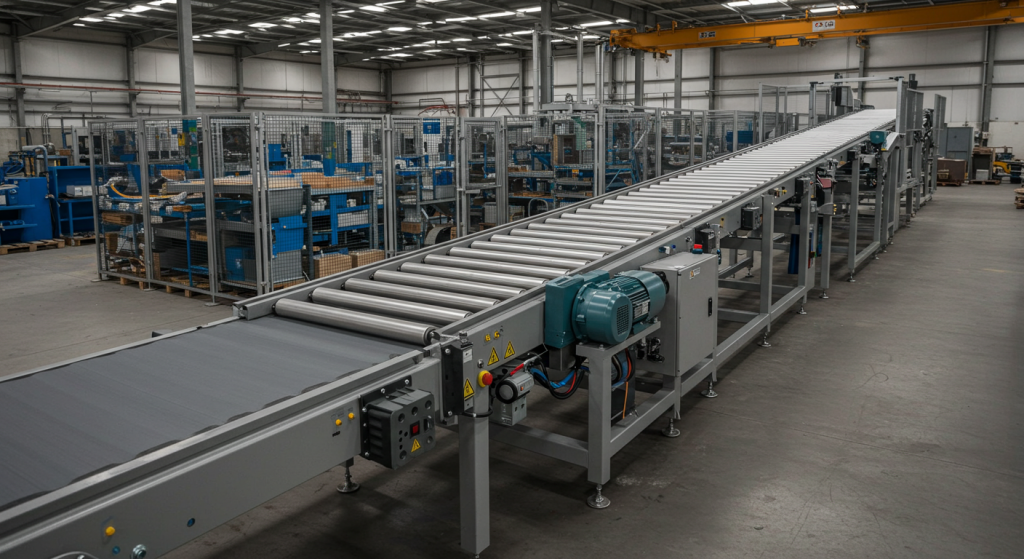
Positive drive conveyors are designed to provide a consistent and controlled method of moving items through various processes within a facility. Unlike other conveyor types, positive drive systems feature mechanisms that ensure that the drive elements actively engage with the conveyor belt or chain, providing a reliable means of propulsion. This system is integral to applications requiring precise movement, such as packaging, sorting, and assembly lines. The benefits of positive drive technology are numerous.
Key Features of Positive Drive Conveyors
Identifying the features that set positive drive conveyors apart is essential for understanding why they are a preferred choice in numerous industries. Below are some key characteristics:
- Enhanced Grip: The design allows for greater friction and grip, ensuring even the heaviest items can be transported without slipping.
- Controlled Speed: Operators can configure the speed settings to meet specific operational needs, reducing the risk of damage to delicate materials.
- Increased Safety: The reliable operation means fewer accidents related to product jams, allowing for a safer working environment.
- Low Maintenance: Because of their robust design, these systems can endure significant wear, meaning less frequent breakdowns and repair costs.
Applications of Positive Drive Conveyors
Positive drive conveyors are versatile and can be found in multiple settings. Here are a few common applications:
- Food and Beverage Processing: Ensures consistent movement of products through preparation, cooking, and packaging stages without compromising food safety.
- Manufacturing: Ideal for assembly lines where products require precise positioning, it helps maintain the flow of materials without delays.
- Distribution Centers: Allows for swift and reliable movement of goods through sorting and shipping processes.
How Positive Drive Conveyors Improve Efficiency
The efficiency of operations is critical for maintaining a competitive edge. Positive drive systems support this goal by:
- Minimizing Downtime: With fewer mechanical issues and maintenance needs, facilities can operate more smoothly.
- Enhancing Throughput: Streamlined movement of products contributes to the rapid completion of orders.
- Supporting Seasonal Variations: Their adaptability ensures facilities can handle surges during peak times.
Variety of Positive Drive Conveyor Options Available
There isn’t a one-size-fits-all when it comes to choosing the right positive drive conveyor. Various types are available, each filling specific operational gaps. Below, we explore this diversity:
Belt Conveyors
Belt conveyors are perhaps the most common form of positive drive conveyors, featuring a continuous loop of material that moves over pulleys. Here are their key attributes:
- Material Compatibility: Ideal for both bulk and packaged goods.
- Application Range: Employed across diverse sectors, including logistics and manufacturing.
Modular Plastic Belt Conveyors
These systems utilize interlocking plastic segments to construct a belt. This design offers easy repairs and modifications:
- Flexibility: Easily adaptable to various configurations.
- Increased Lifespan: Modular design allows for quick replacements without needing a complete overhaul.
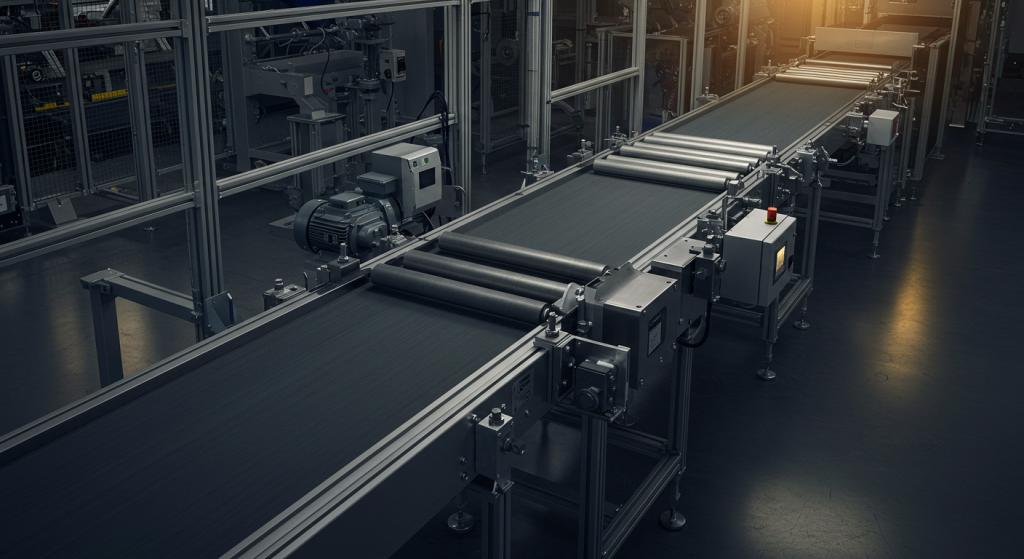
Chain Driven Conveyors
Chain driven conveyors utilize various chain types to transport heavy loads:
- Heavy Load Handling: Well-suited for automotive and heavy manufacturing operations.
- Durability: Built to withstand substantial wear and tear.
Food-Grade Positive Drive Systems
Positive drive conveyor systems compliant with food safety standards ensure hygienic product movement:
- Sanitary Design: Fabricated from non-corrosive materials to guarantee food safety.
- Ease of Cleaning: Designed for fast disassembly and reassembly to facilitate thorough cleaning.
| Type of Conveyor | Best For | Advantages |
|---|---|---|
| Belt Conveyors | General Goods | Versatile, easy maintenance |
| Modular Plastic | Flexible configurations | Easy to modify, long-lasting |
| Chain Driven | Heavy applications | Robust construction, reliable |
| Food-Grade Systems | Food processing | Sanitary, easy cleansing |
Key Factors When Selecting a Positive Drive Conveyor
When it comes to the selection of a suitable positive drive conveyor for your facility, various factors need consideration. Understanding these elements can play a significant role in ensuring the optimal function of your conveyor system.
1. Type of Product to be Conveyed
The nature of the items that need transporting greatly influences the choice of conveyor:
- Evaluate whether products are large, heavy, or delicate.
- Consider the material composition, as it affects compatibility with conveyor surfaces.
2. Space Availability and Facility Layout
The existing structure and layout of a facility play a crucial role in the type of conveyor selected:
- Assess vertical and horizontal space to determine optimal alignment.
- Consider whether modular or fixed systems better suit the current design.
3. Throughput Requirements
Understanding production volume is critical for selecting a conveyor system capable of handling the necessary load:
- Identify peak operational demands to ensure the conveyor meets throughput needs.
- Assess how operational efficiency might change during seasonal fluctuations.
4. Budget Constraints
Cost considerations must not be overlooked. The following factors come into play:
- Initial investment, maintenance, and operational costs should be balanced against budgetary constraints.
- Understanding the long-term ROI ensures a valuable investment.
For reliable and industry-specific conveyor solutions, Cog-Veyor Systems offers positive drive systems designed to boost performance and meet your facility’s unique needs.