
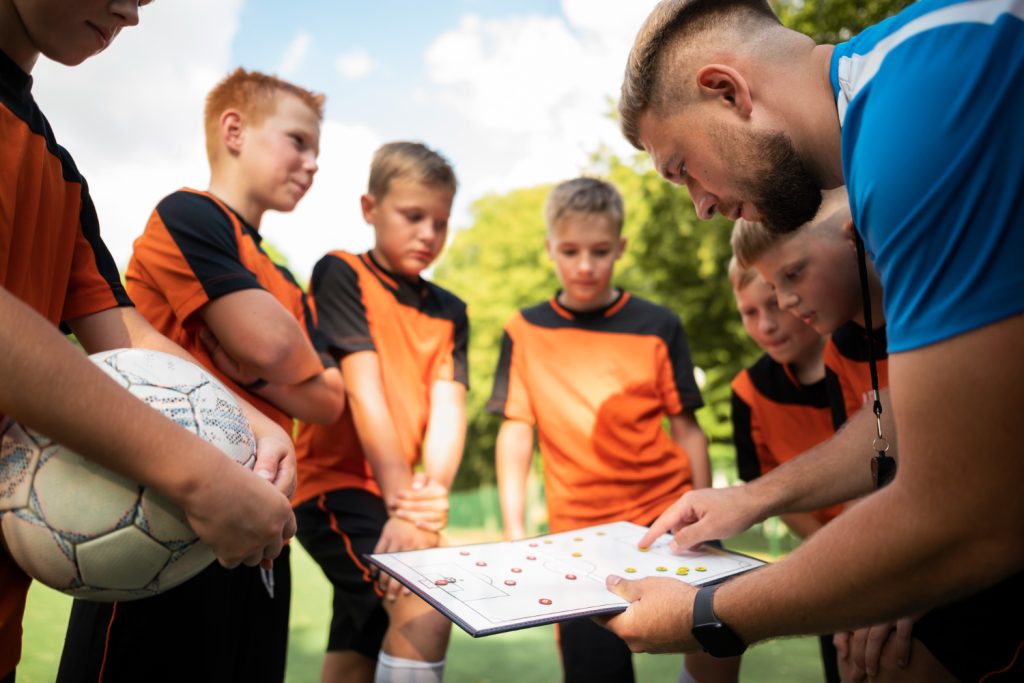
The realm of soccer demands not just physical ability but also a keen intellect. Players must respond to dynamic situations in real-time, making split-second decisions that could change the course of a match. The development of decision-making skills under pressure is thus paramount, especially as we move into a more competitive era in 2026. Coaches, in their quest to cultivate well-rounded athletes, must emphasize drills that sharpen decision-making abilities while simulating realistic game scenarios. This article delves deep into effective soccer workshop drills aimed at honing these crucial skills.
Understanding the Importance of Decision-Making in Soccer
Decision-making under pressure is more than just a skill; it’s a cornerstone of modern soccer performance. At elite levels, the ability to assess situations rapidly and choose the most effective option is what separates successful players from the rest. It’s often said that the best players have more time than others on the field, yet in reality, they have learned to make decisions earlier and more efficiently.
The soccer field acts as a complex battlefield where players must continuously evaluate numerous factors: opposing players’ positions, teammates’ movements, open spaces, and potential threats. The psychological load is immense. According to recent studies, players operate under a perception-action cycle, where they scan the field, predict outcomes, and decide on actions—all in a matter of seconds.
However, traditional drills often focus solely on technical skills and fail to incorporate this vital decision-making aspect. Many players become accustomed to executing predetermined patterns without ever having to solve real problems on the field. This lack of adaptability can lead to panic or hesitation during actual gameplay, quickly turning a well-played scenario into chaos.
Essential Skills for Developing Decision-Making Under Pressure
To foster the ability to make quick and effective decisions, it is crucial to develop specific skills through focused drills. Here are some essential skills that contribute to improved decision-making:
- Scanning: Players should learn to regularly gauge their surroundings, identifying the positions of teammates and opponents.
- Anticipation: Predicting subsequent actions based on gathered information leads to faster decision-making.
- Execution: Practicing varied techniques helps players become more versatile in their responses.
- Colleagues’ Support: Decision-making improves when players understand their teammates’ movements and tendencies.
By integrating these skills into drills, coaches can create a learning environment that allows players to face realistic challenges, promoting quicker reactions and more thoughtful decision-making on the field.
Effective Drills for Enhancing Decision-Making Skills
Incorporating specific drills into training sessions can significantly enhance players’ capacity to make sound decisions under pressure. Below are some effective drills that coaches can implement in workshops:
1. Small-Sided Games (SSGs)
Small-sided games are among the most effective methods for building decision-making skills. These exercises create high-information environments where players must constantly scan, anticipate, and decide on actions. For example:
- 4v4 with Neutral Players: A 4v4 format with additional neutral players can encourage quick passing and movement, requiring players to make fast decisions based on shifting dynamics.
- Changing Dimensions: By altering the dimensions of the playing area (narrow, wide, etc.), coaches can stress different tactical aspects, pushing players to adapt their decision-making under varying amounts of space.
2. Goal-Specific Scenarios
Creating game scenarios with specific objectives allows players to focus on decision-making during critical moments. For instance:
- Game Scenario: One Goal Down: Simulating a scenario where a team must score while defending can teach players to evaluate risks and manage their responsibilities under pressure.
- Transition Play: Incorporating transitions from defense to attack can force players to decide quickly on whether to maintain possession or take risks. This situation will enhance their critical thinking and response times.
Cognitive Load and Its Impact on Decision-Making
Understanding cognitive load is vital for coaches aiming to develop their players’ decision-making skills. Cognitive load refers to the amount of mental effort being used in working memory. Drills designed with appropriate cognitive load in mind ensure that players are not overwhelmed but are still challenged.
Effective drills should encourage players to face various cues while maintaining a level of complexity that prompts critical thinking. Here are key considerations:
- Pressure from Opponents: Introducing defensive pressures in drills adds layers of complexity, forcing players to think critically about their options.
- Time Constraints: Imposing limits, such as requiring a shot within six seconds, can mimic match conditions and spur faster decision-making.
- Consequences: Implementing rewards or penalties based on performance in drills adds stakes and urgency, motivating players to make comprehensible choices.
Coaches must regularly adjust these factors to maintain an optimal balance that neither overwhelms nor under-challenges players during training.
Evaluating and Adapting Training Sessions
To ensure that drills are effective in enhancing decision-making skills, continuous evaluation and adaptation of training sessions are necessary. Coaches should regularly assess player performance, gathering feedback to identify areas for improvement.
Some strategies for evaluation include:
- Video Analysis: Reviewing game footage allows both coaches and players to analyze decision-making in real-time situations. This method can provide valuable insights into players’ thought processes during games.
- Peer Feedback: Encouraging players to discuss their decisions fosters a collaborative learning environment. It also helps them gain perspective on different approaches to problem-solving.
- Structured Reflection: Incorporating post-training discussions where players can reflect on their decision-making can deepen their understanding and facilitate growth.
Great decision-making starts with the right training — but it also starts with the right gear. At POWER GOAL ACADEMY
, we offer a carefully curated selection of premium soccer apparel and accessories designed to support players at every level, from workshop drills to match day.